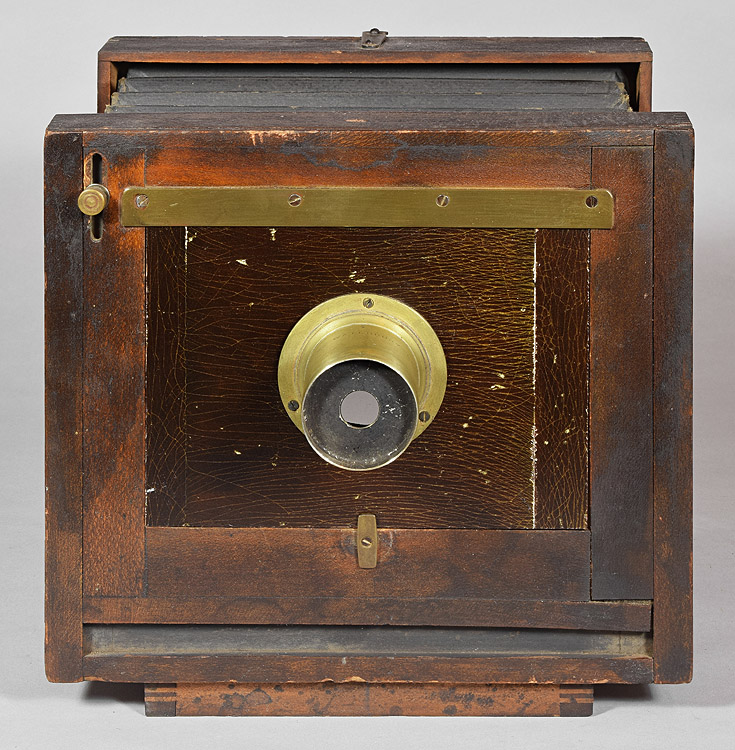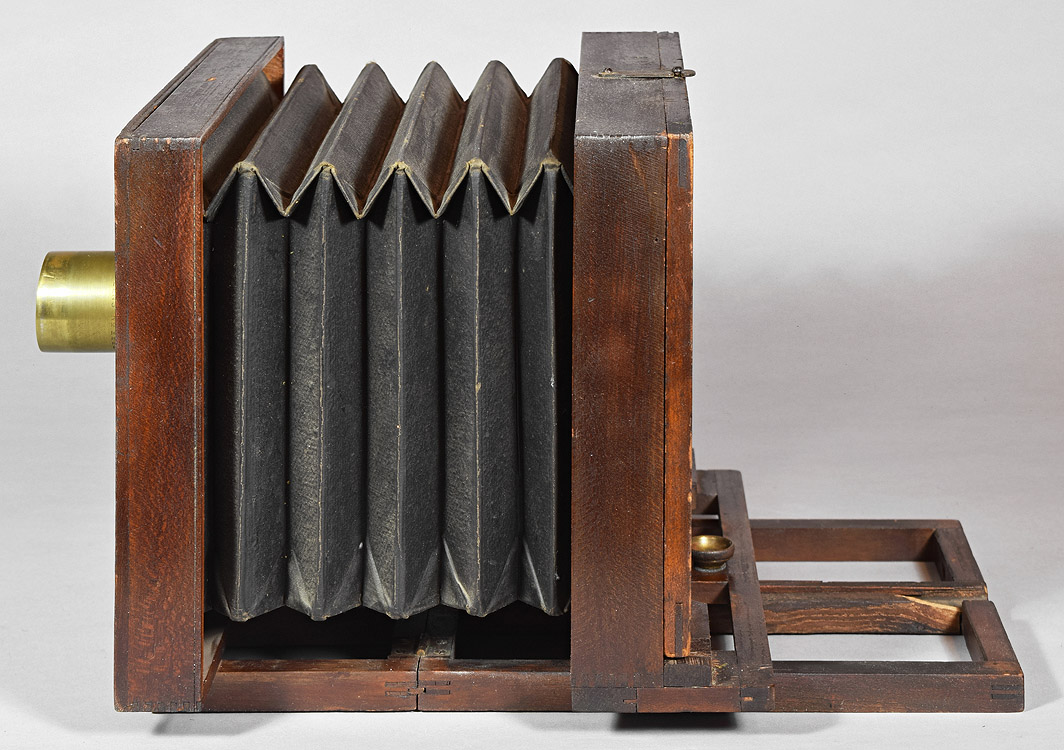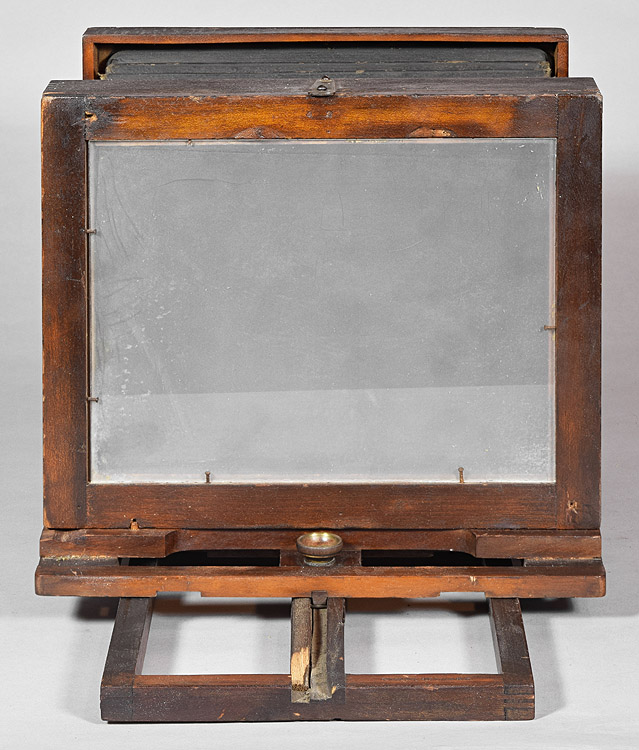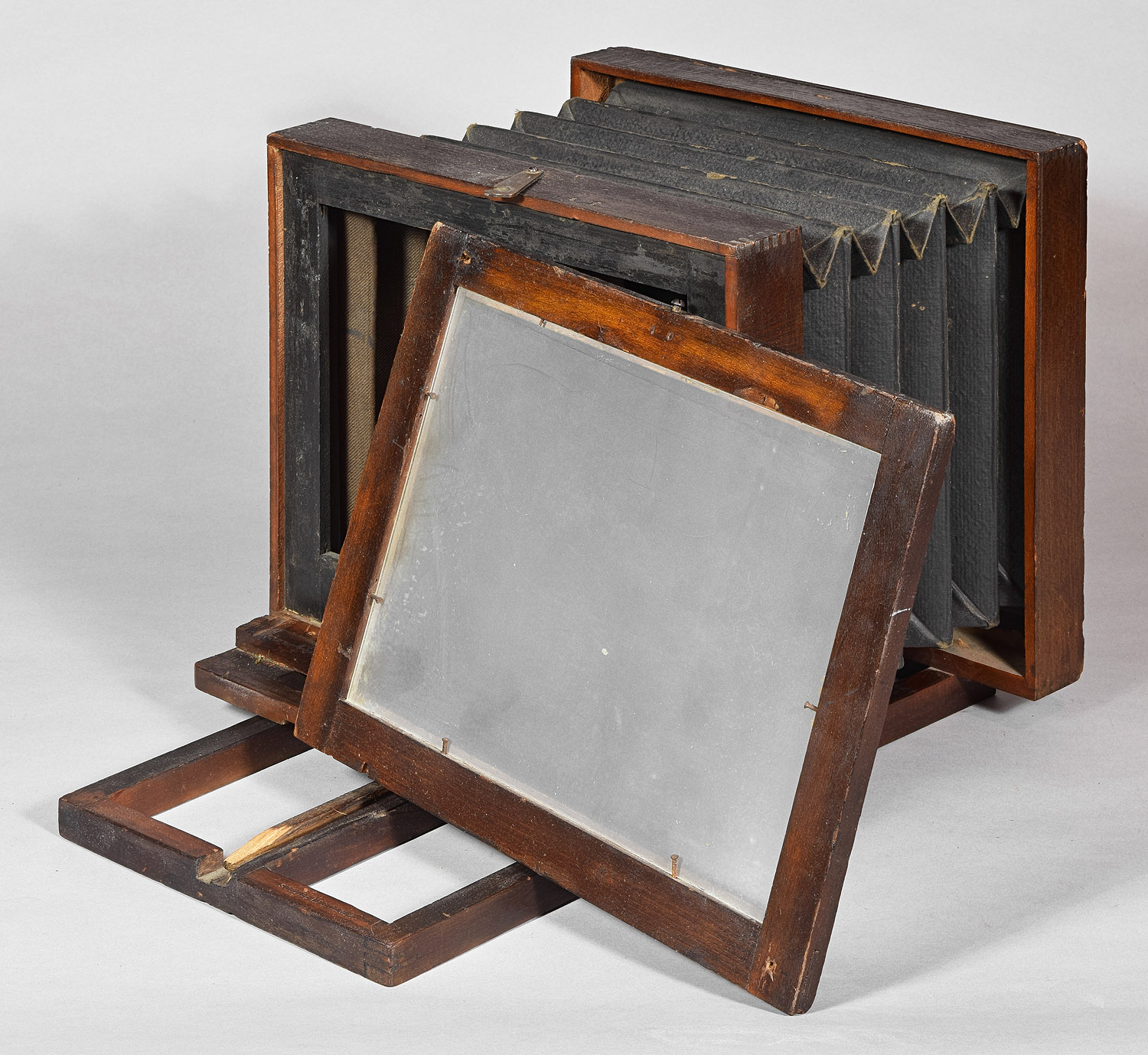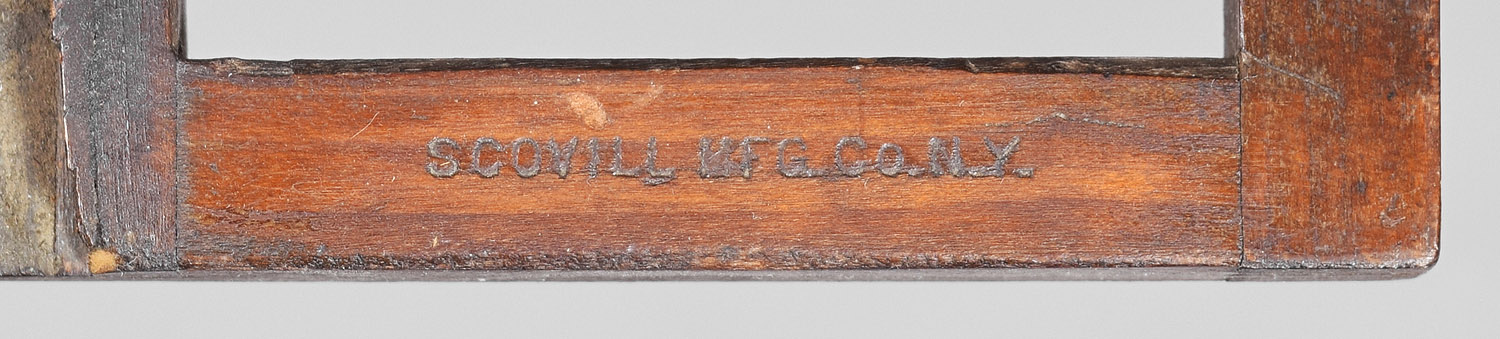















Scovill Mfg. Co.
Waterbury, CT & New Haven, CT
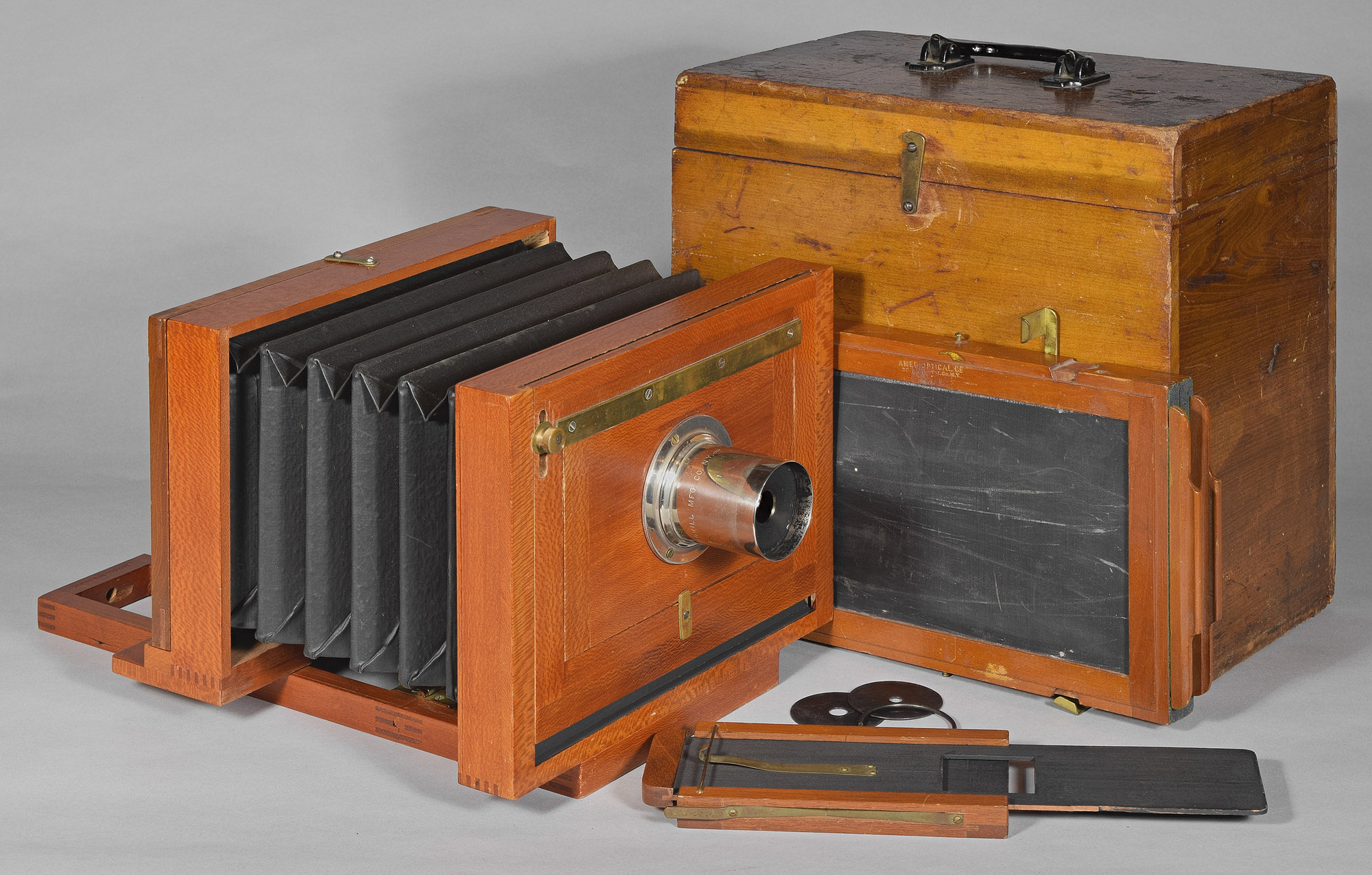
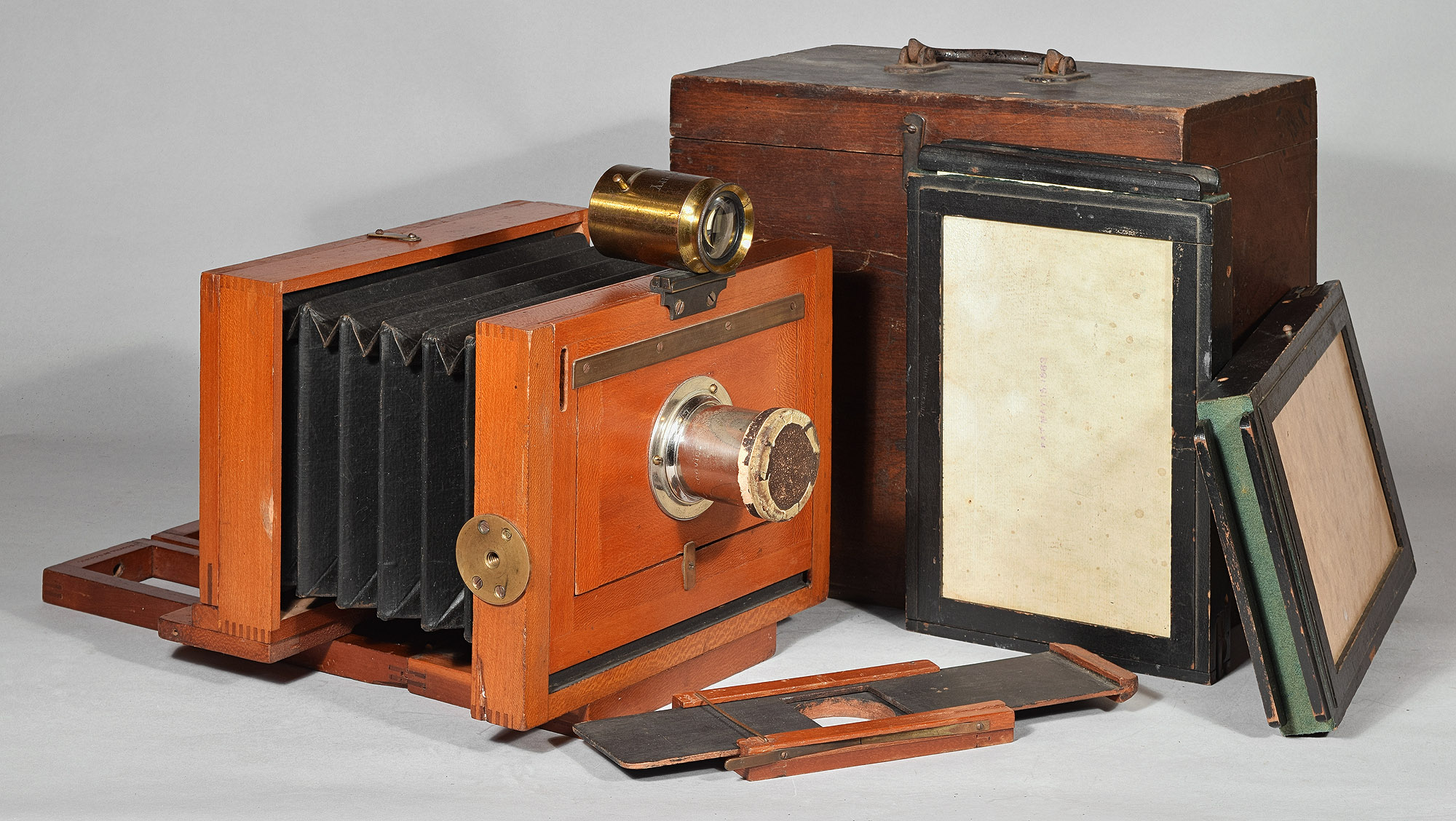
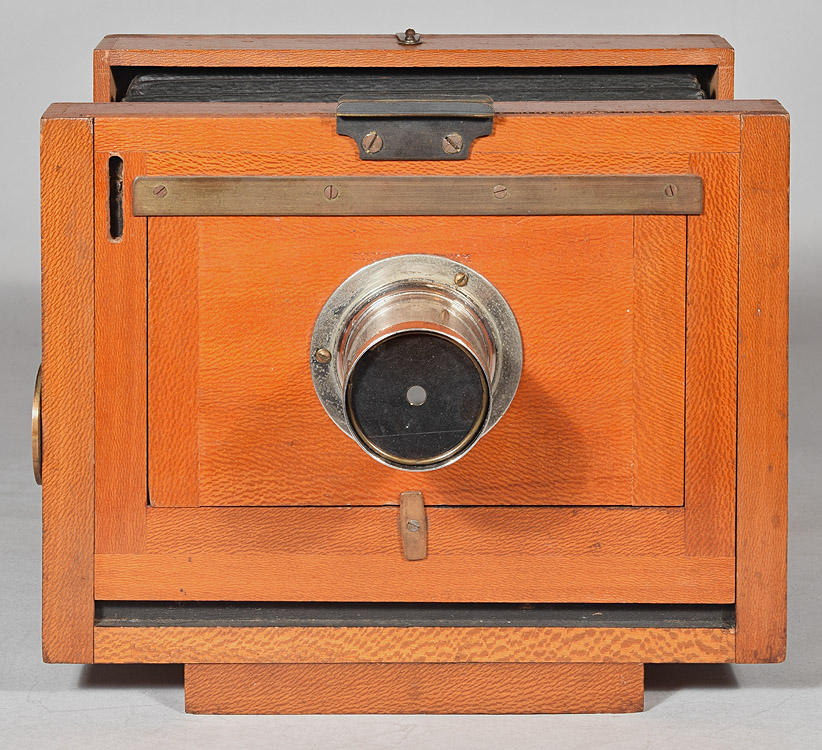
Unknown Model
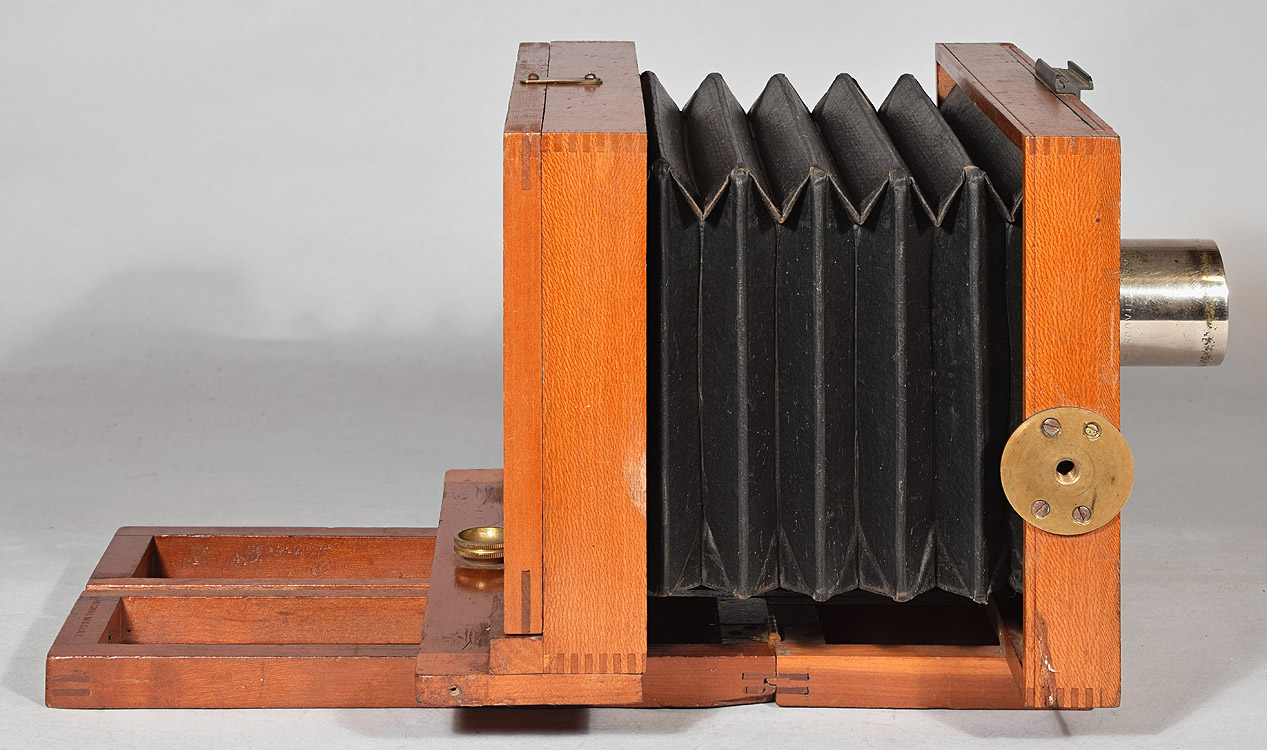
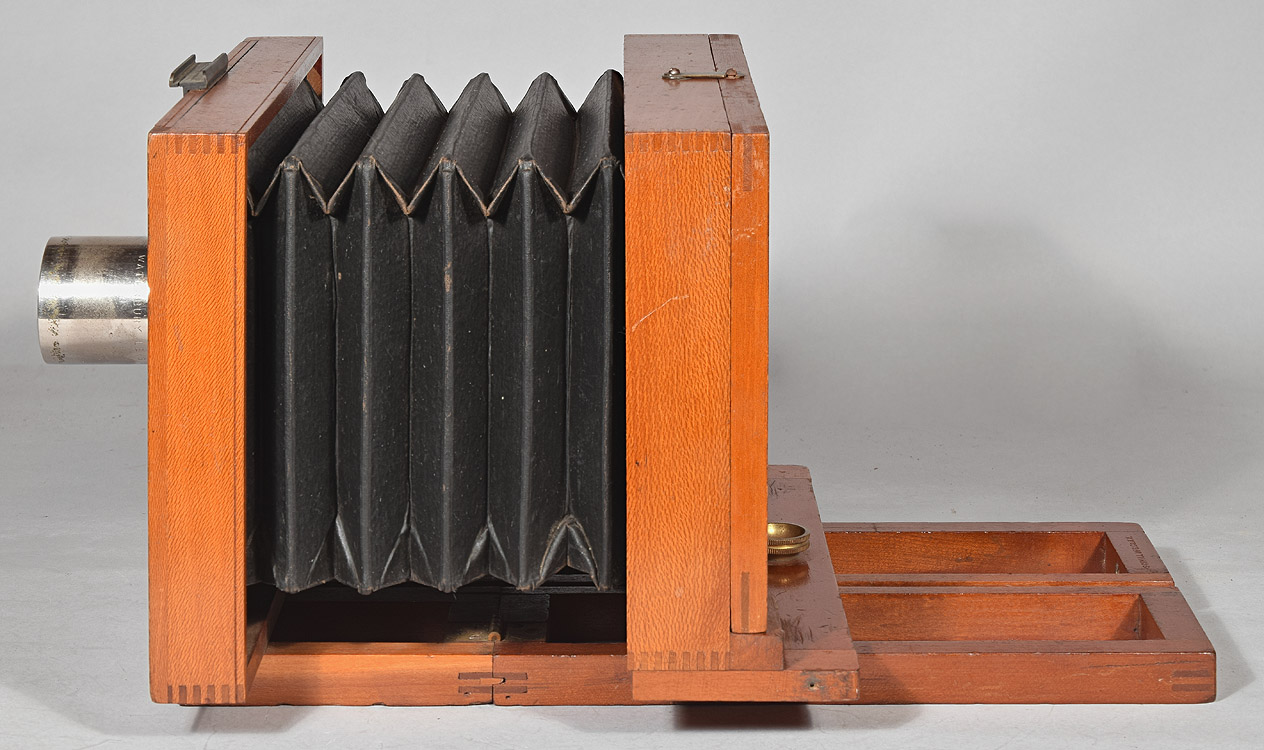
(sycamore wood, folding platform, no swing with drop shutter)
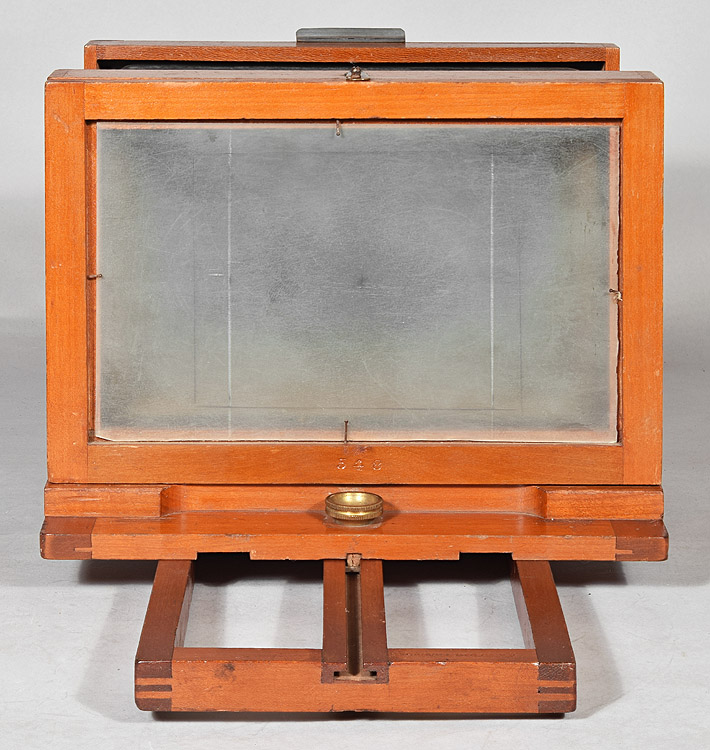
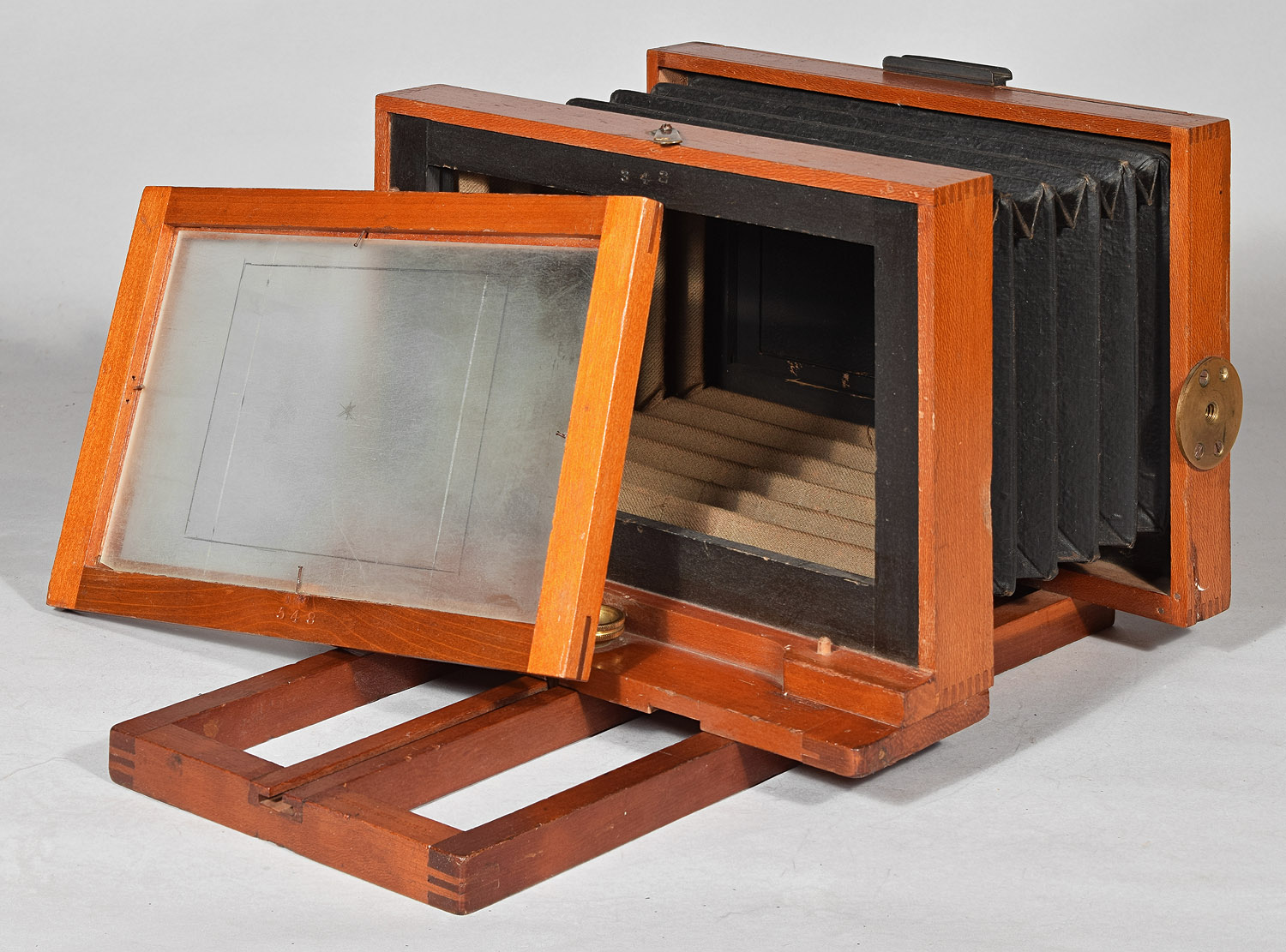
5 x 8, Serial No. 342 (rear
standard) / 548 (ground glass frame)
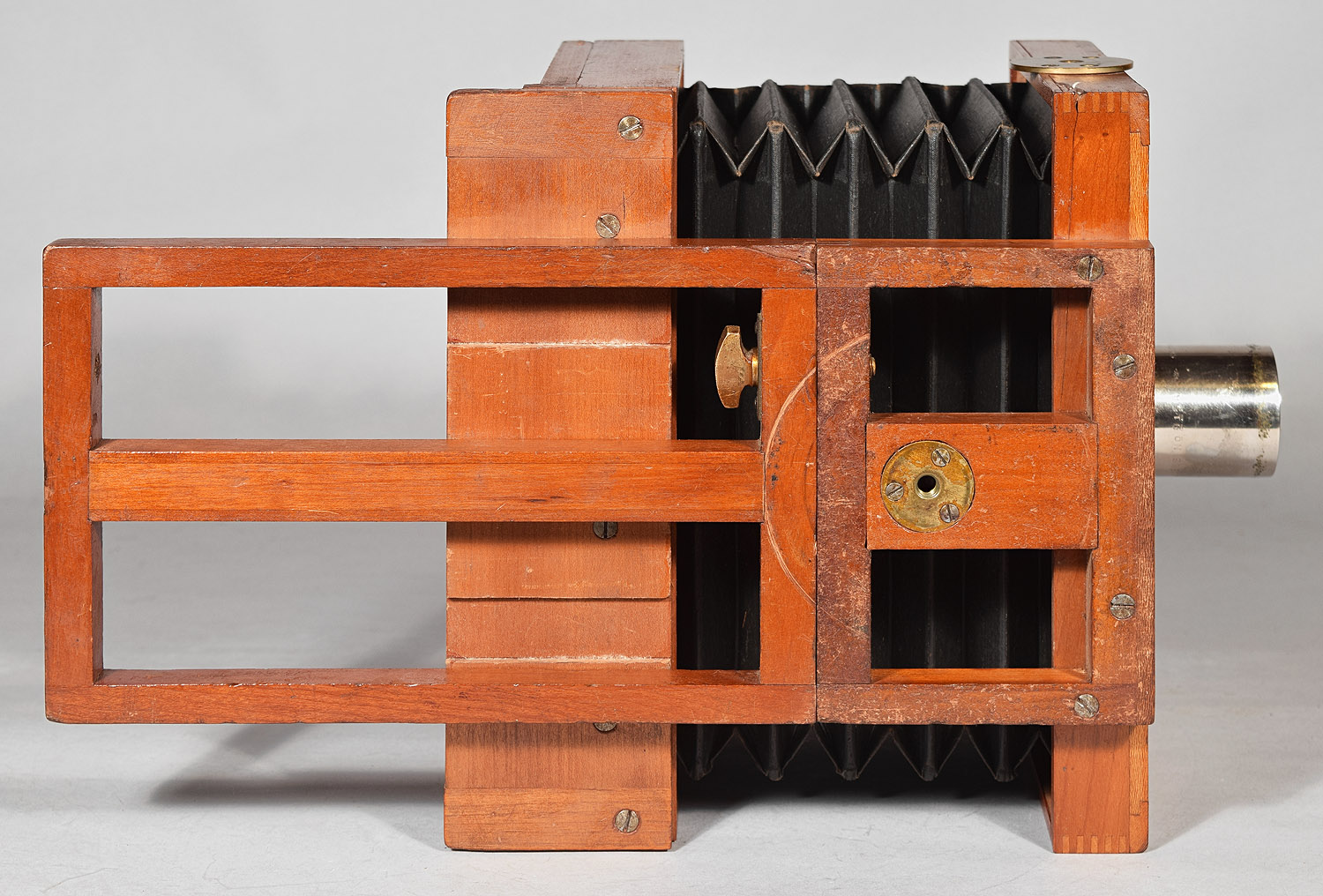
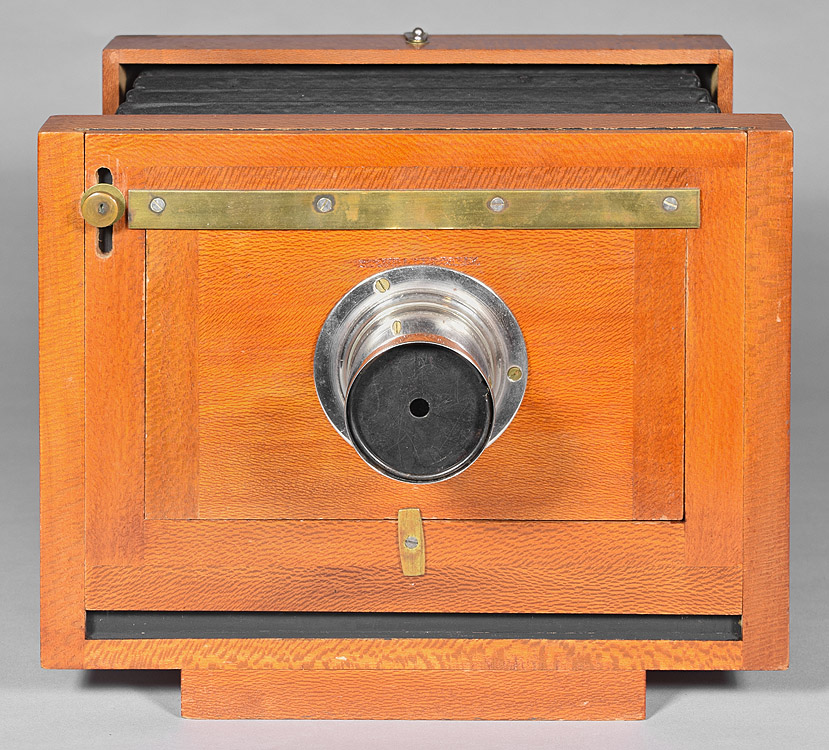
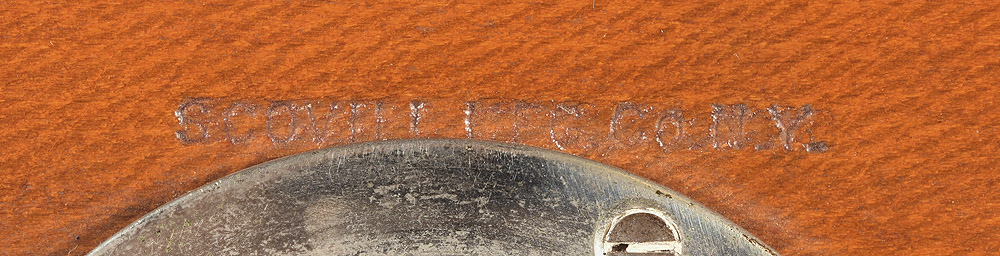
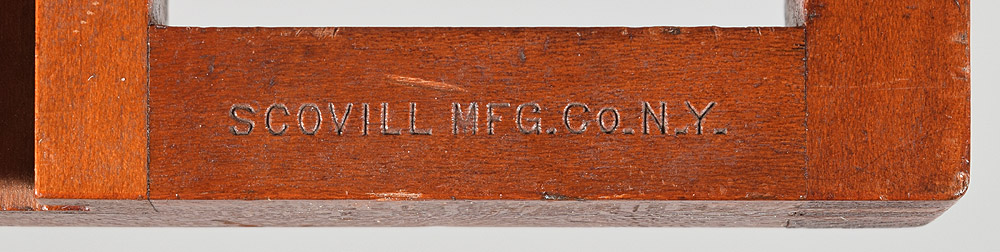
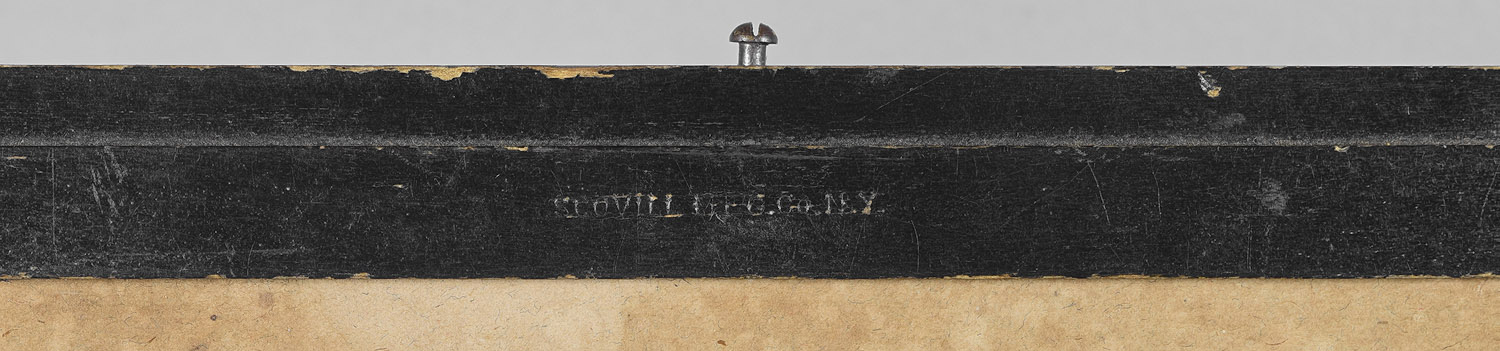
Stamp on the
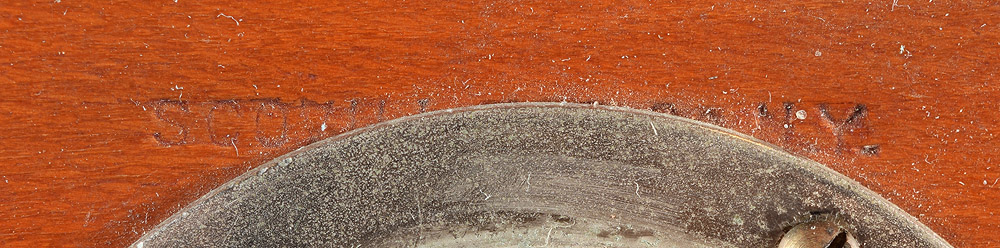
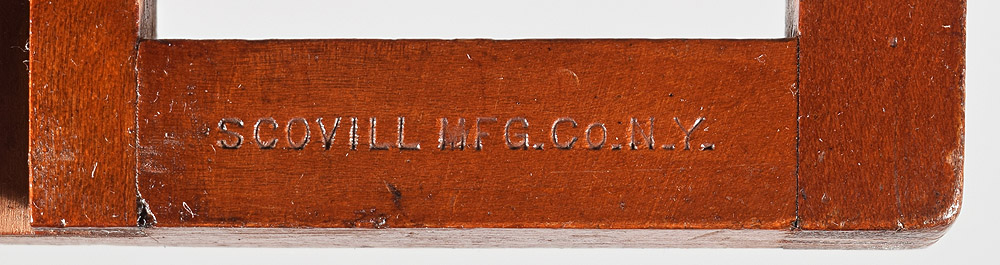
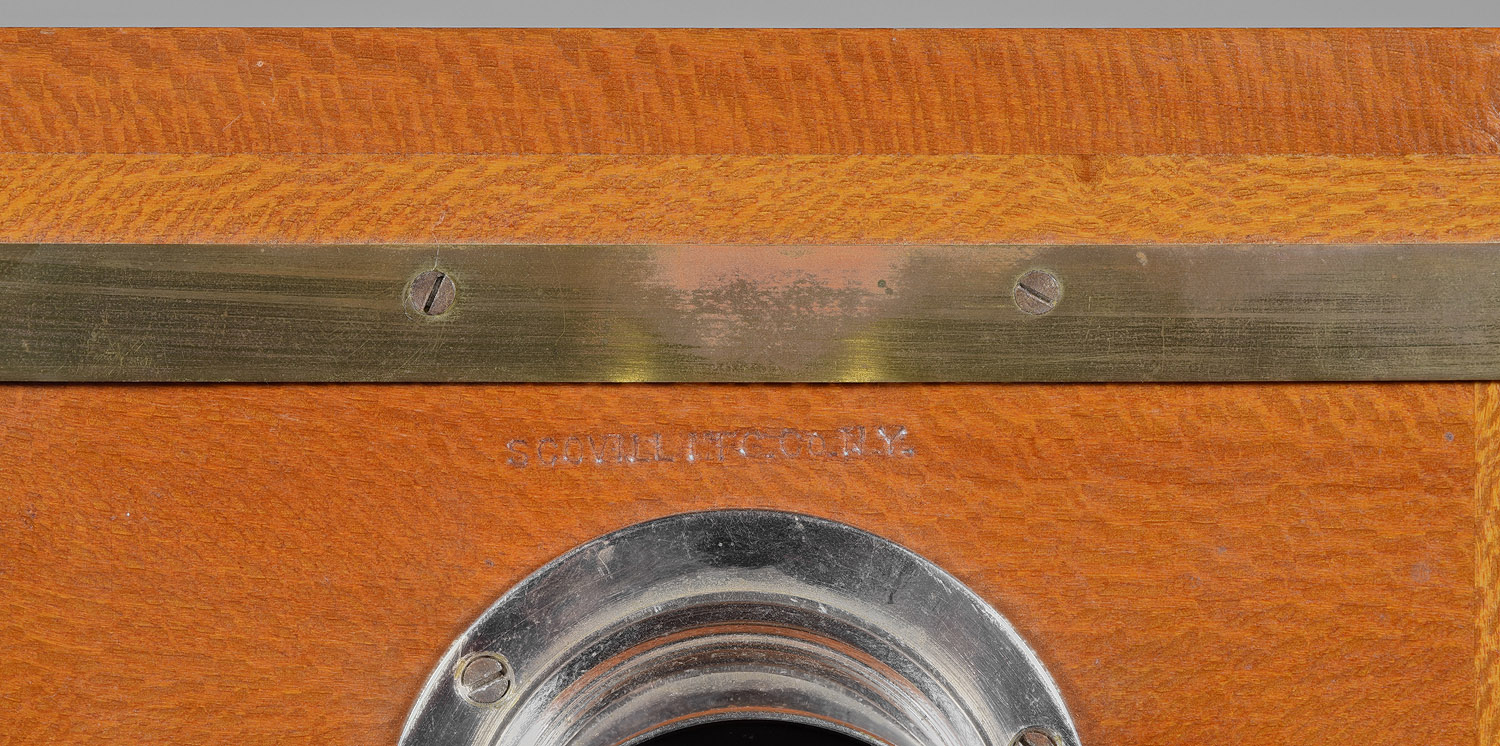
lens board: "Scovill Mfg. Co., N.Y." Stamp on the
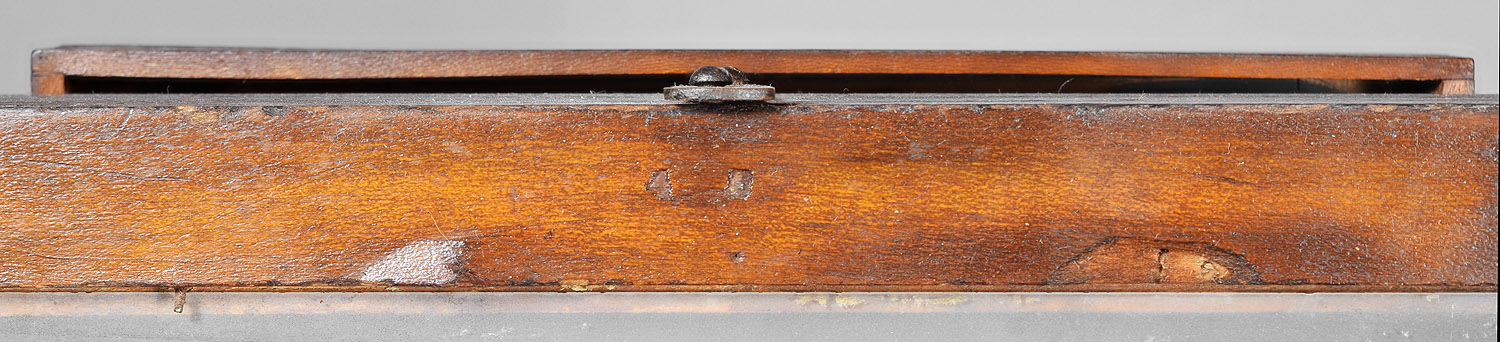
rear base rail
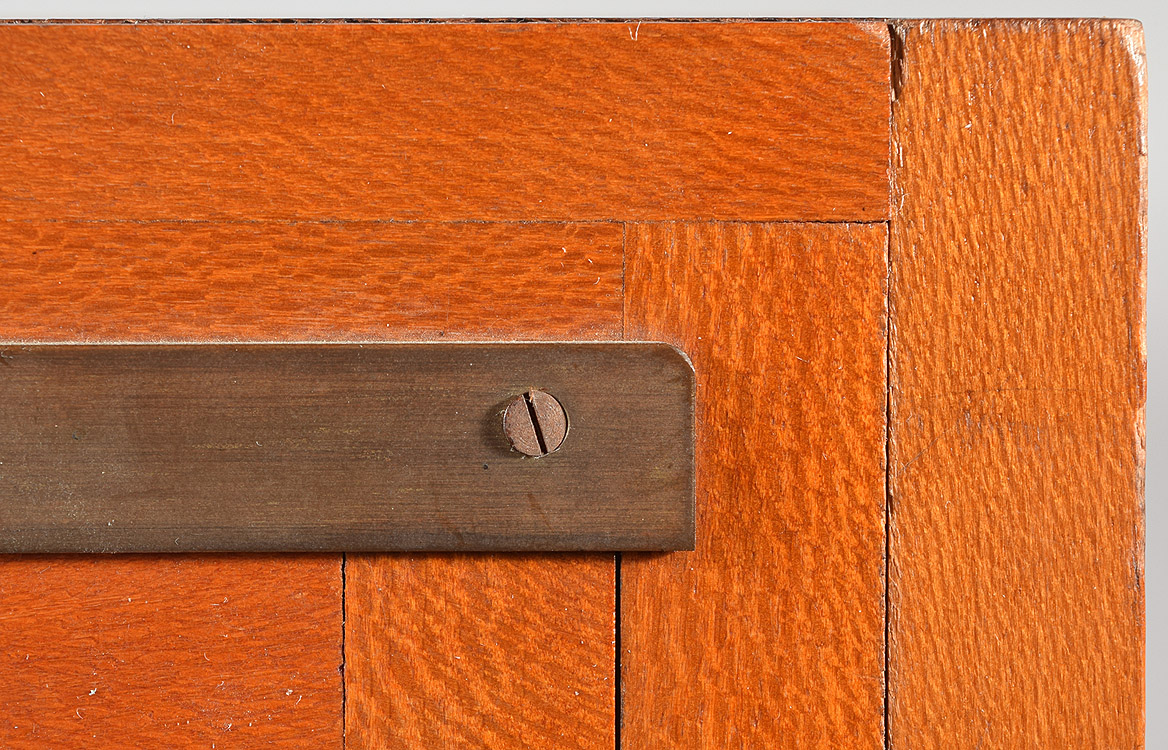
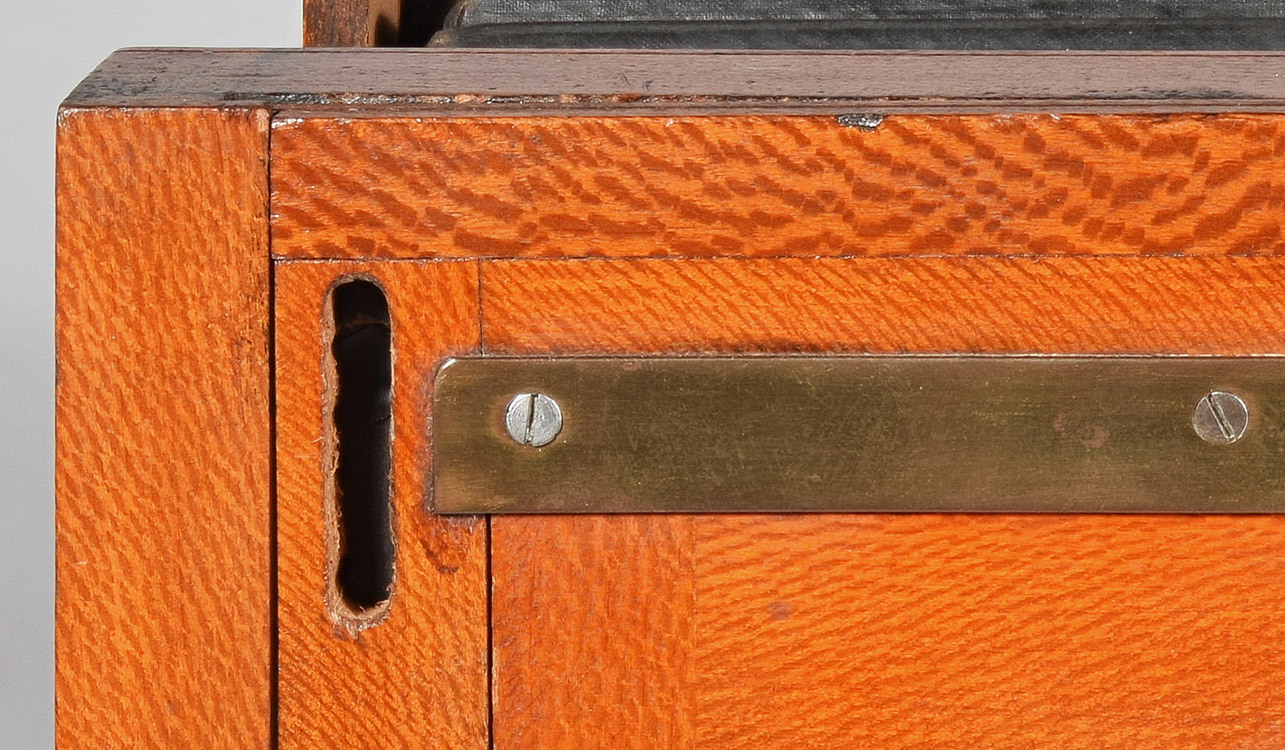
Close-up of
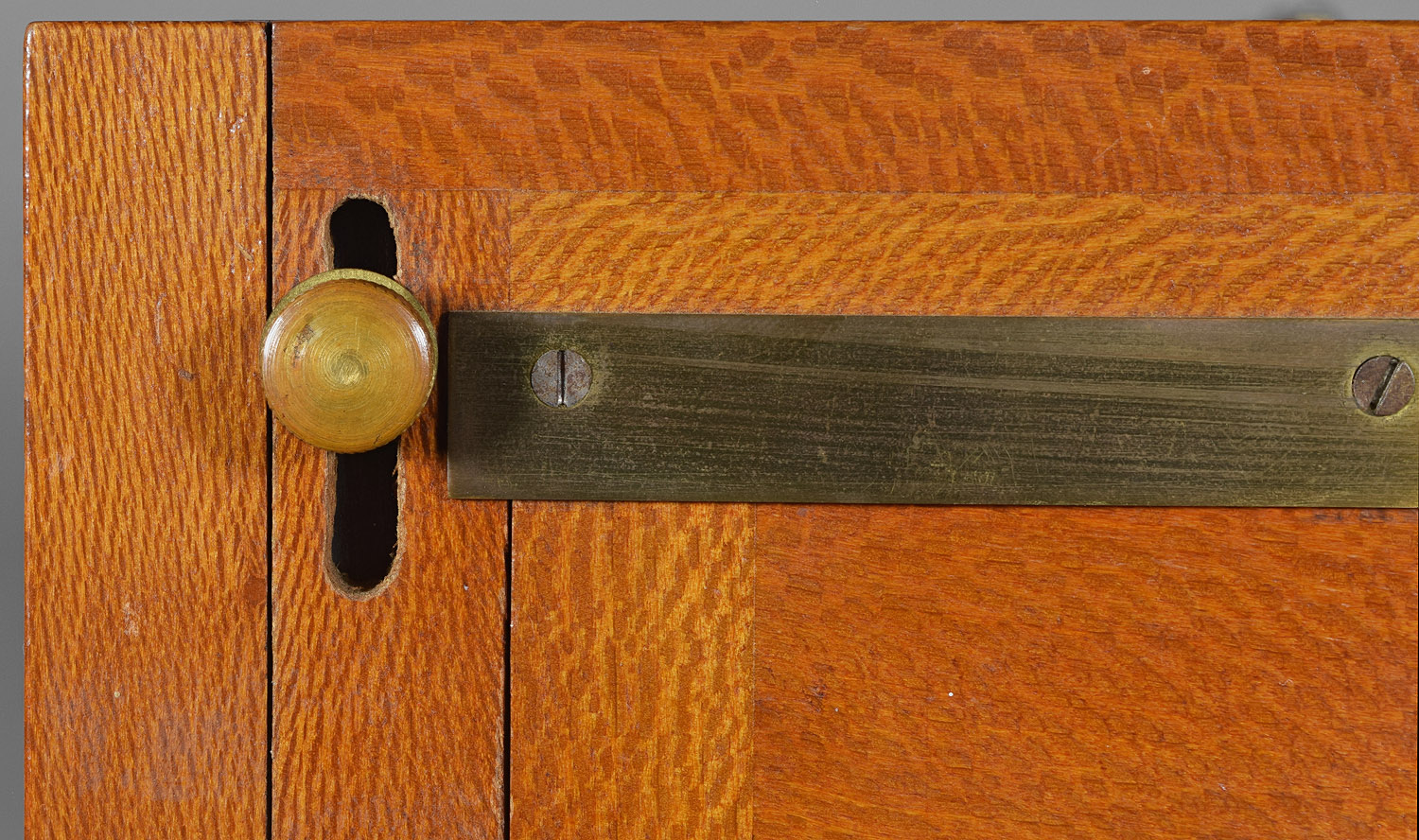
the quarter-sawn sycamore wood
Stamp on the
lens board: "Scovill Mfg. Co., N.Y." Stamp on the
rear base rail
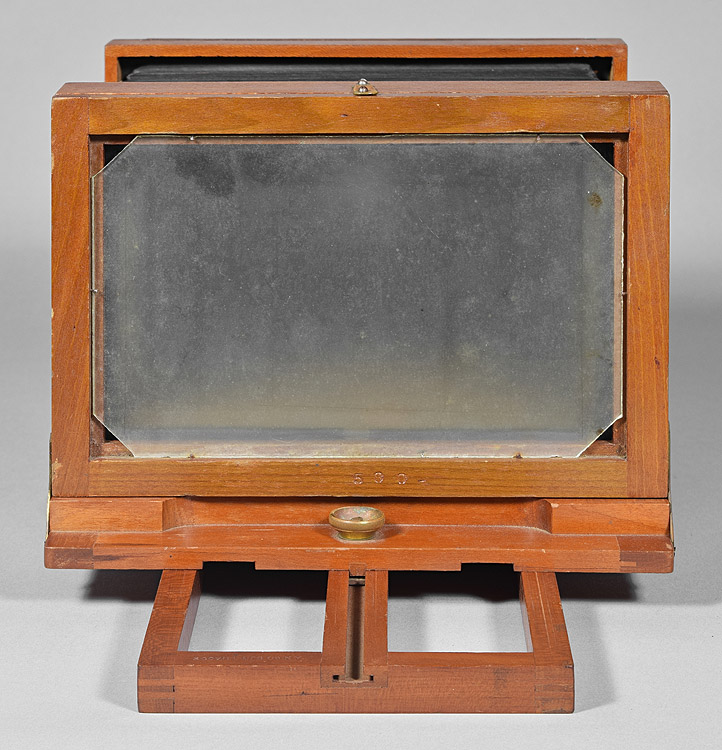
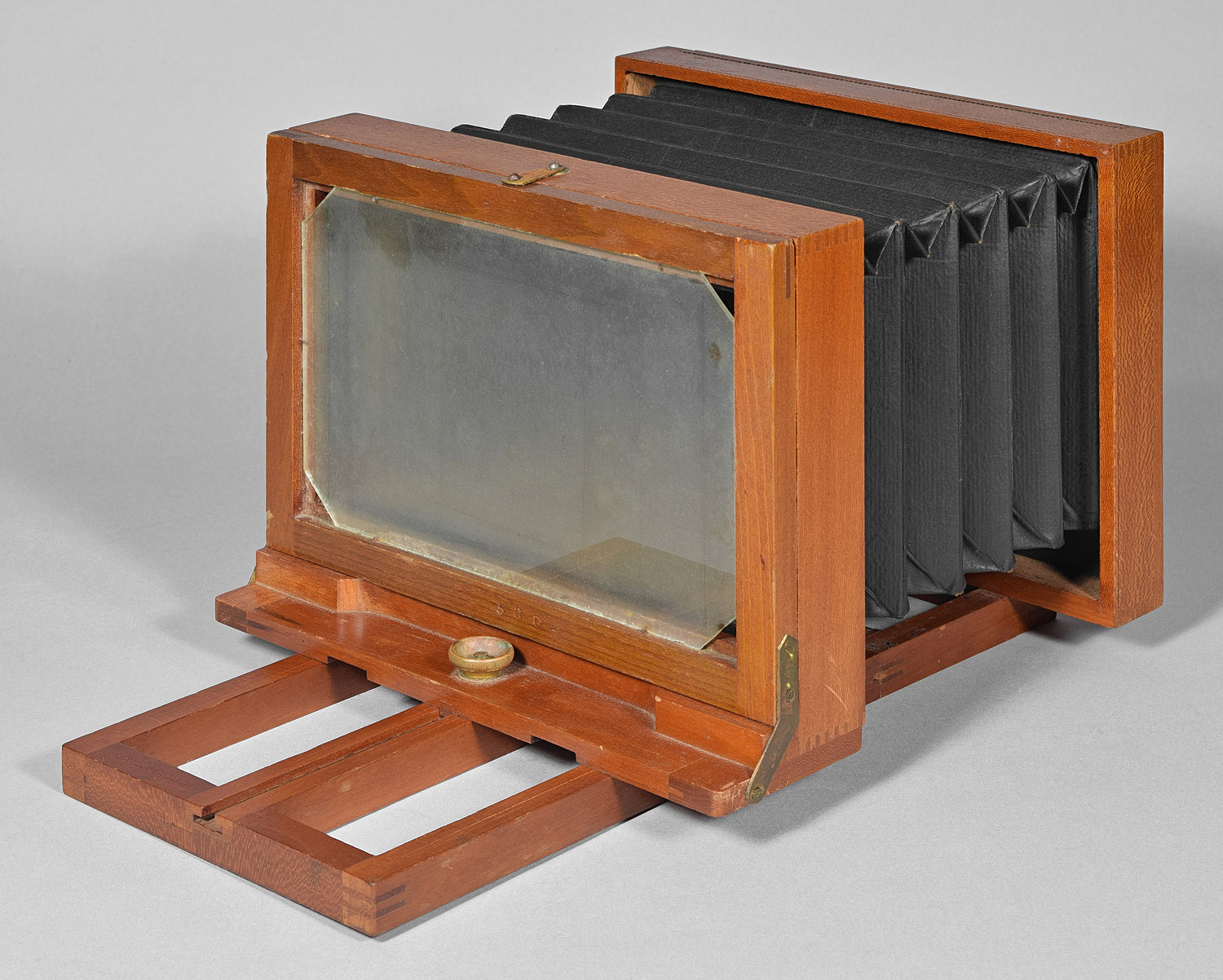
5 x 8, Serial
No. 580
Stamp on the
lens board: "Scovill Mfg. Co., N.Y." Stamp on the
rear base rail Stamp of
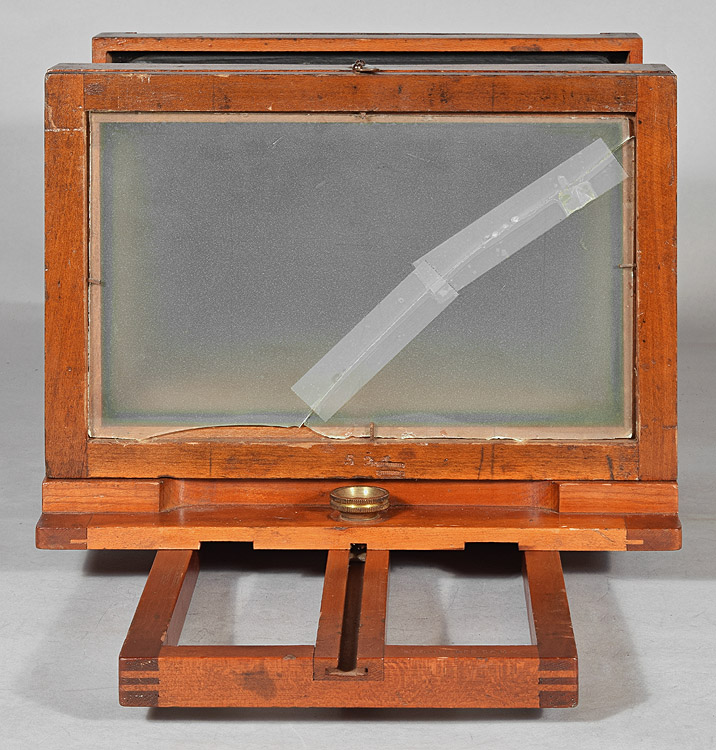
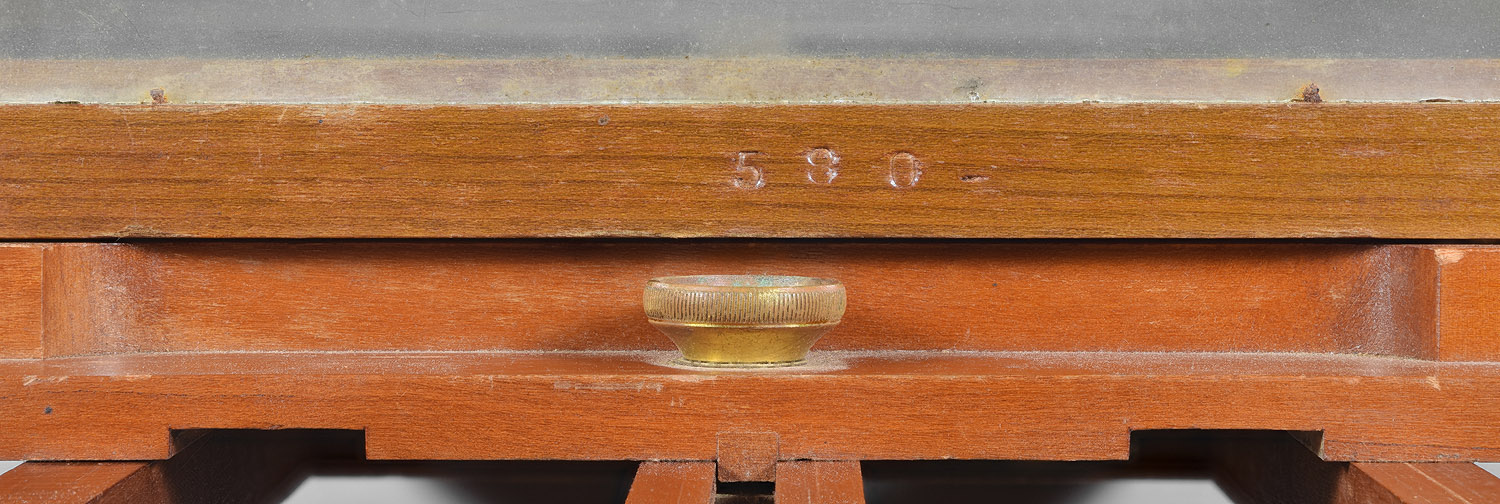
serial number 580 on the lower part of the ground glass frame
Close-up of the quarter-sawn
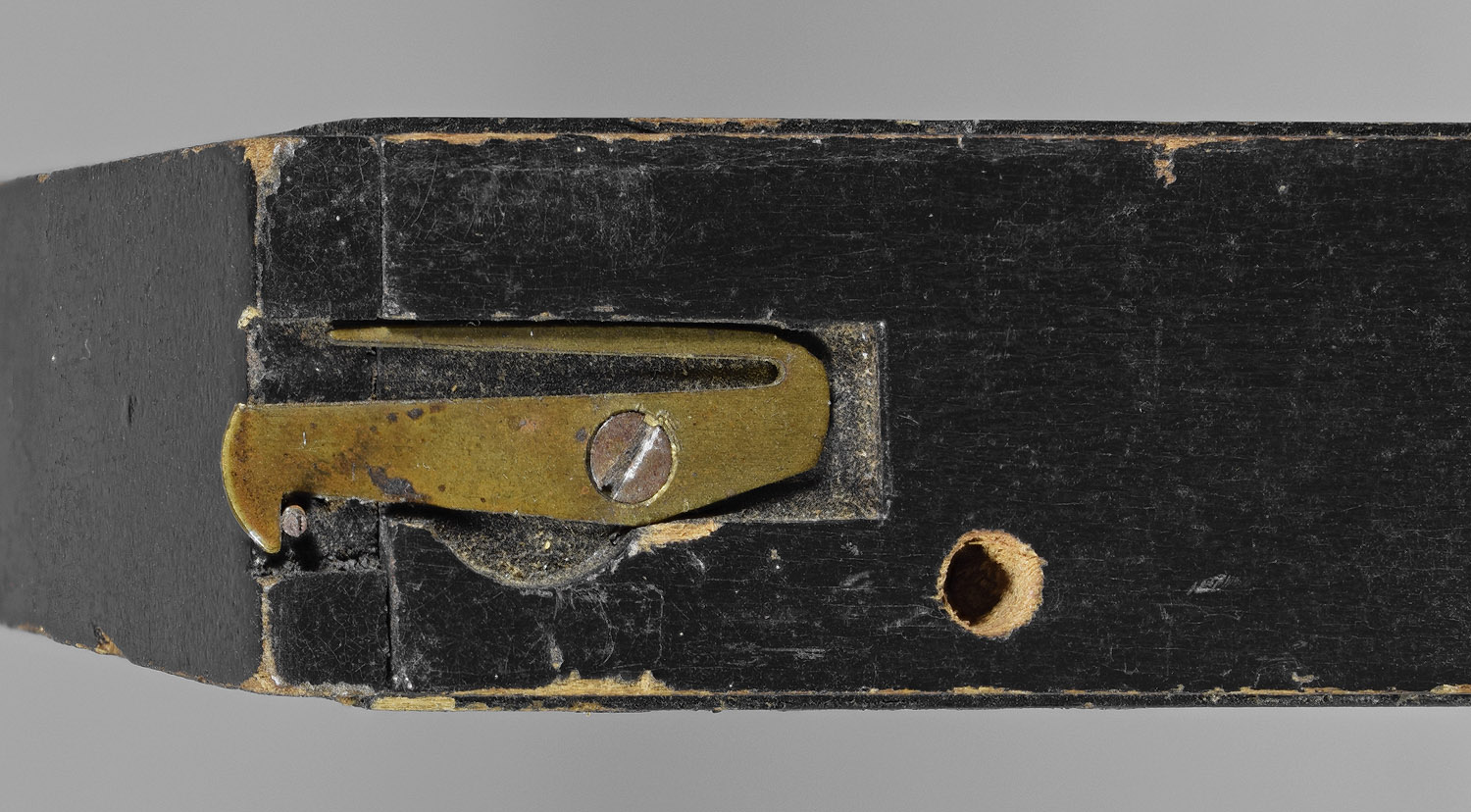
sycamore wood Stamp on the
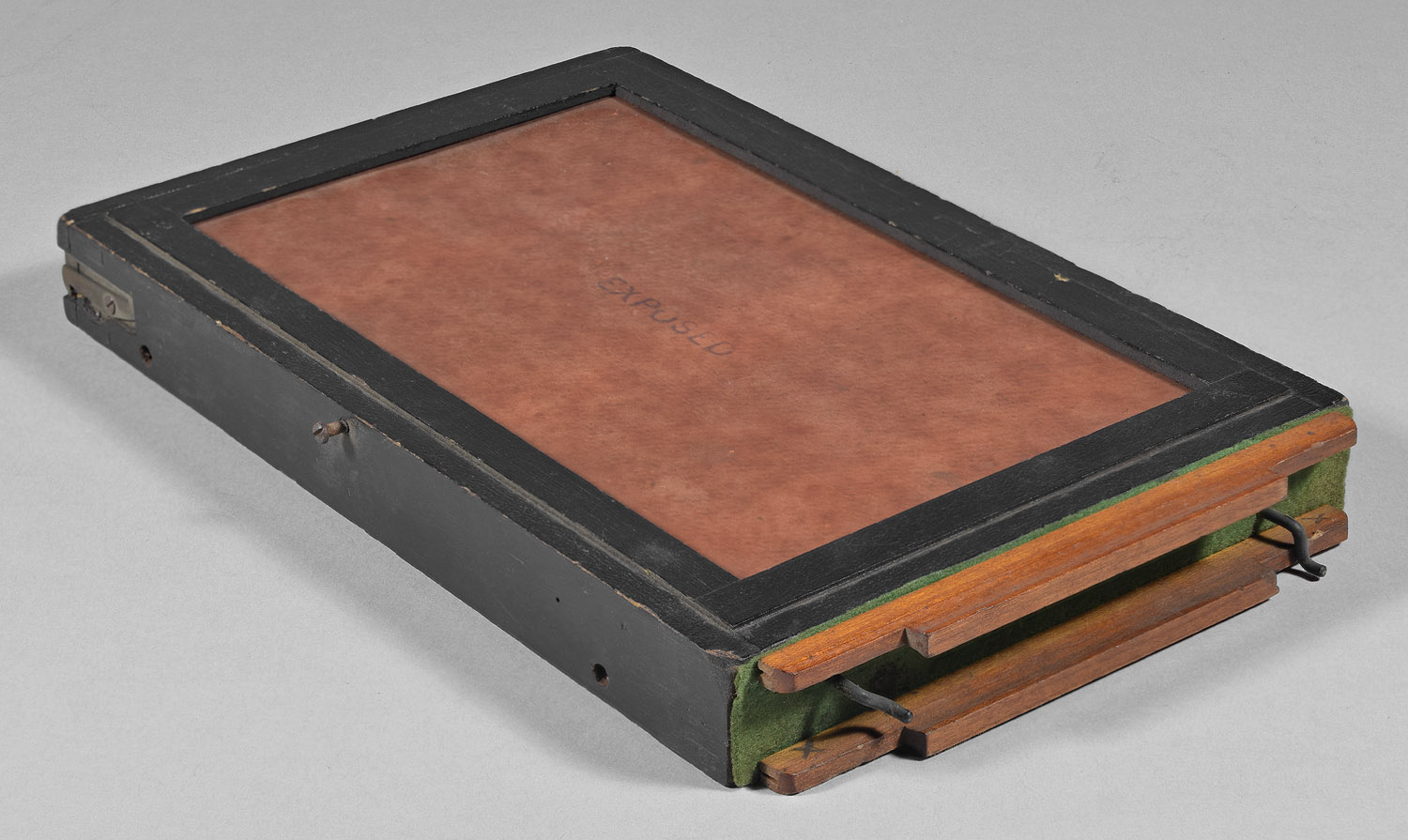
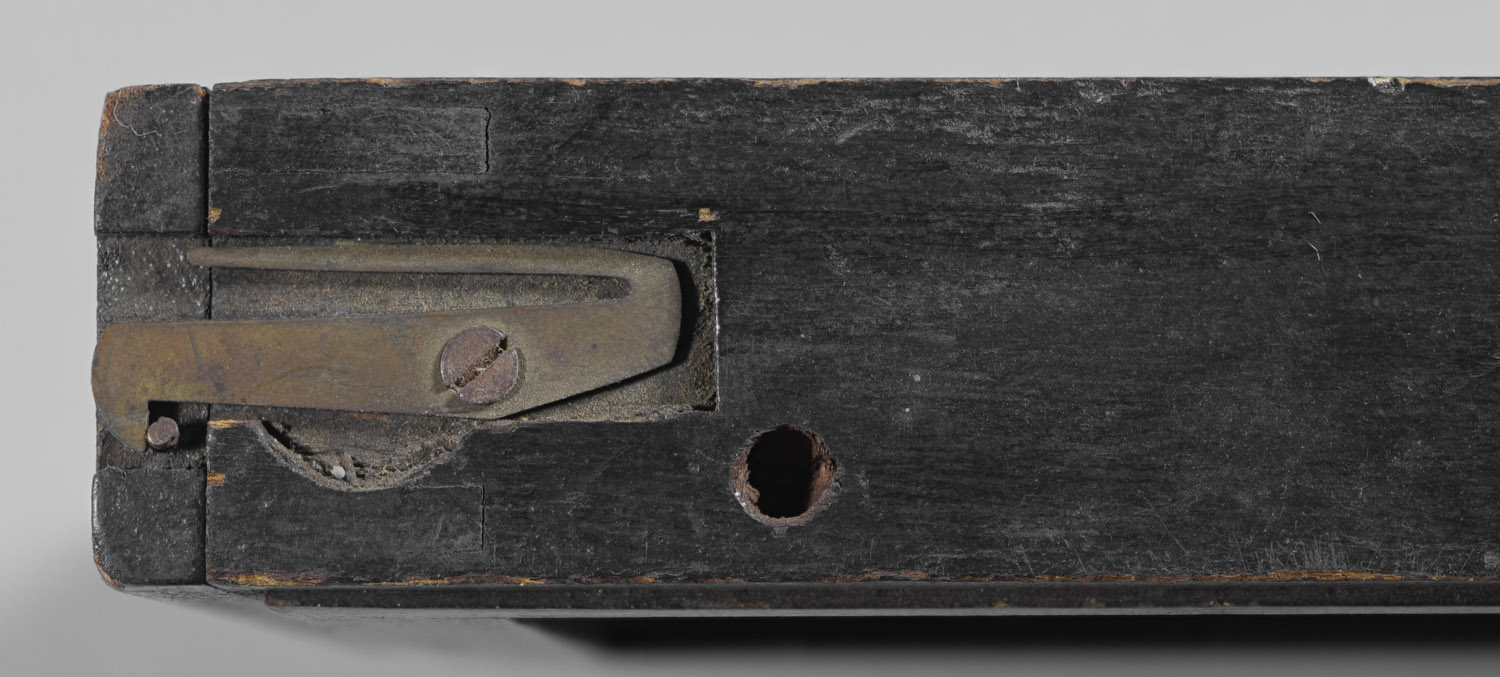
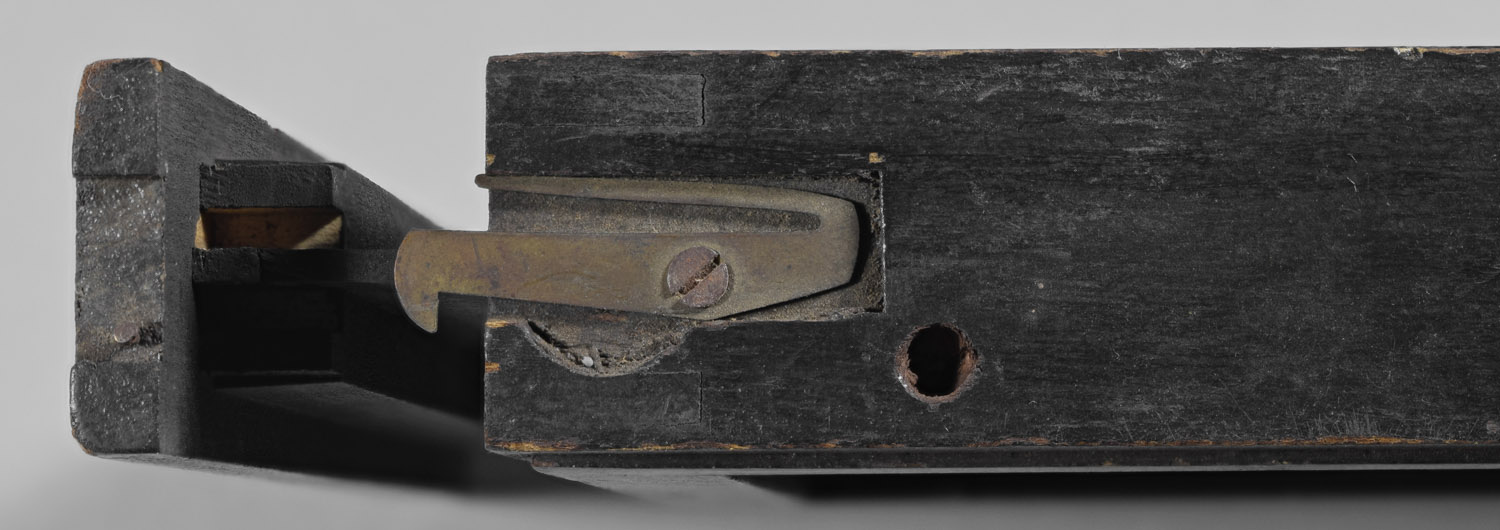
long face of the plate holder Catch used on
both sides of the plate holder to replace or retain plates
5 x 8, Serial
No. 408
Plate Holder Plate Holder
Clasp - closed Plate Holder
Clasp - open Manufacturer:
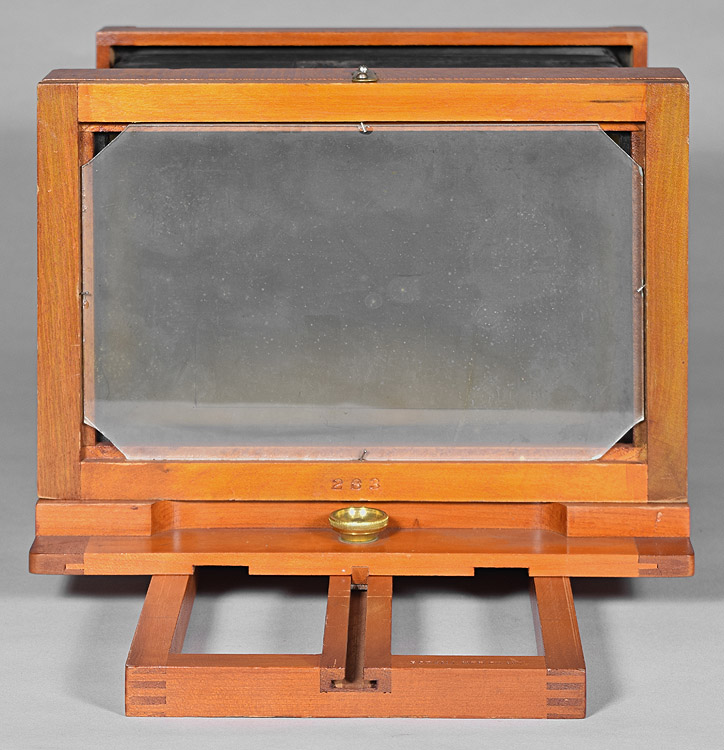
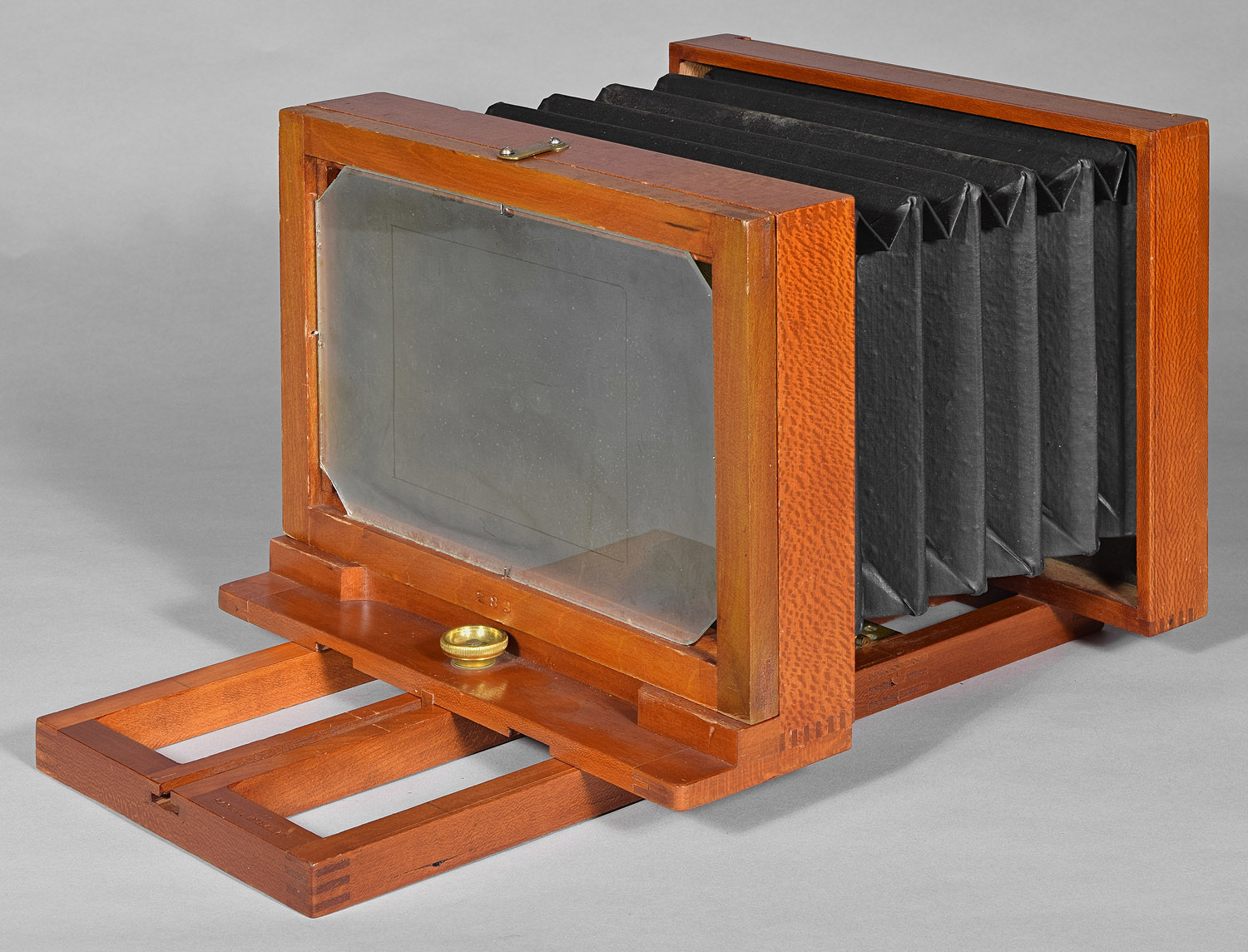
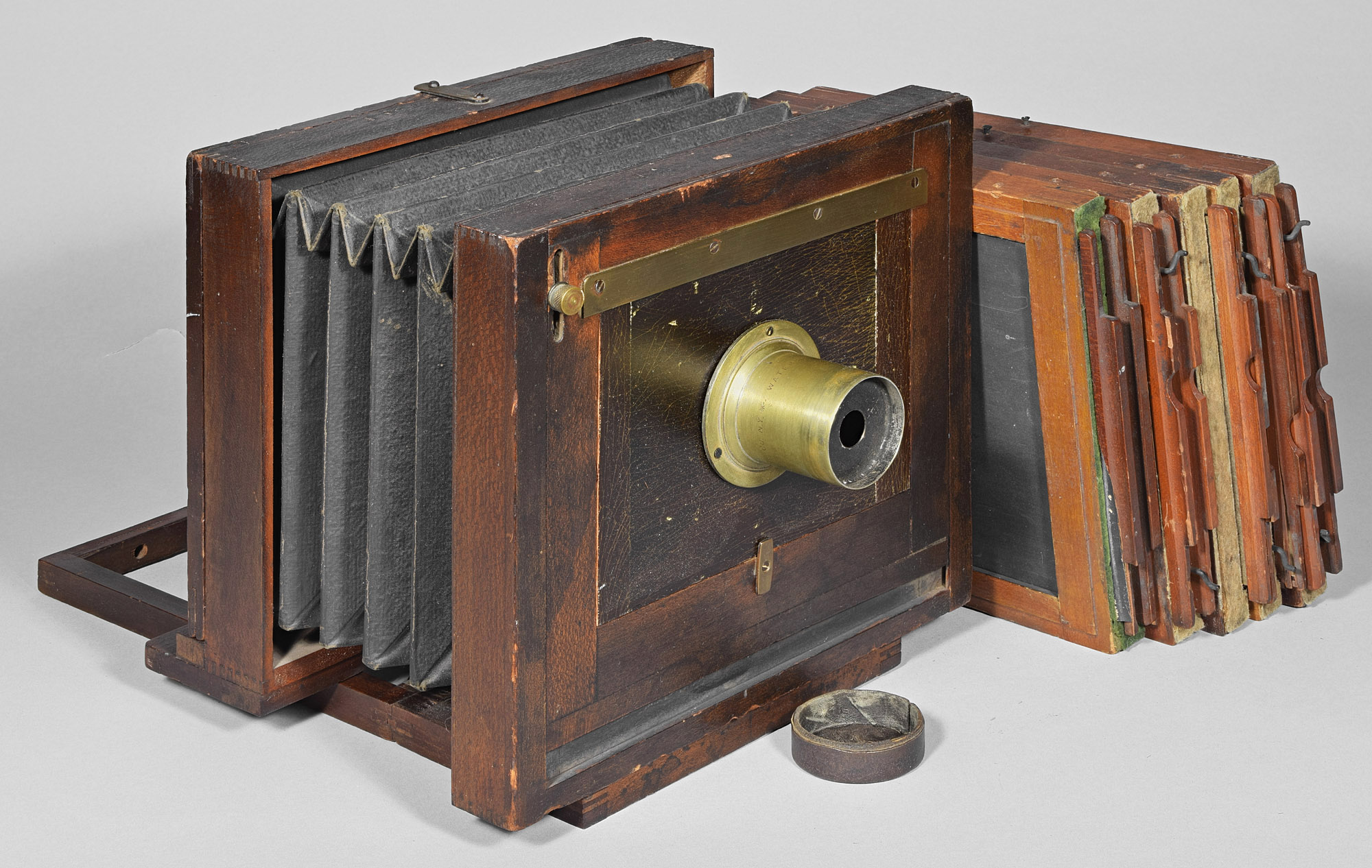
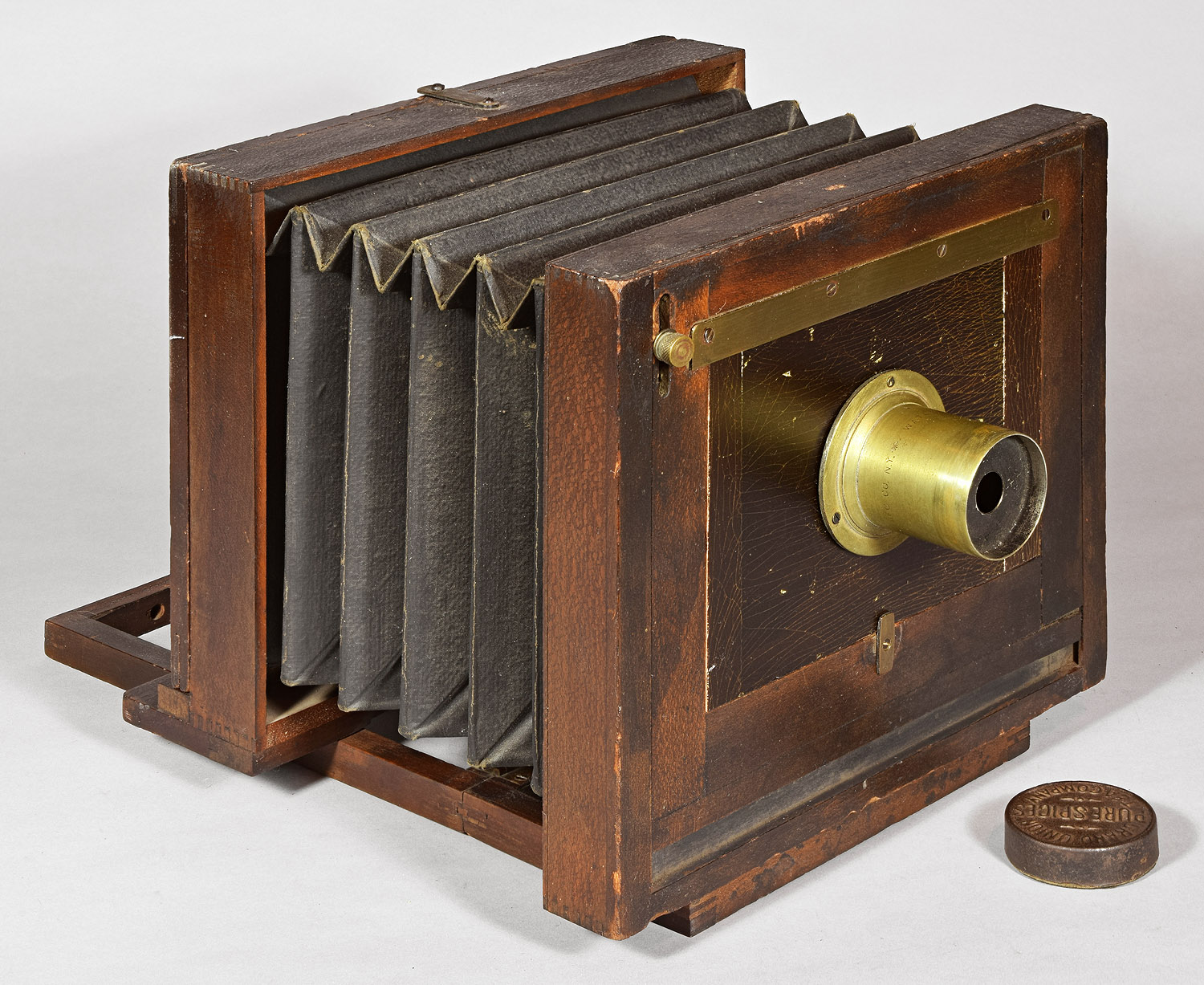
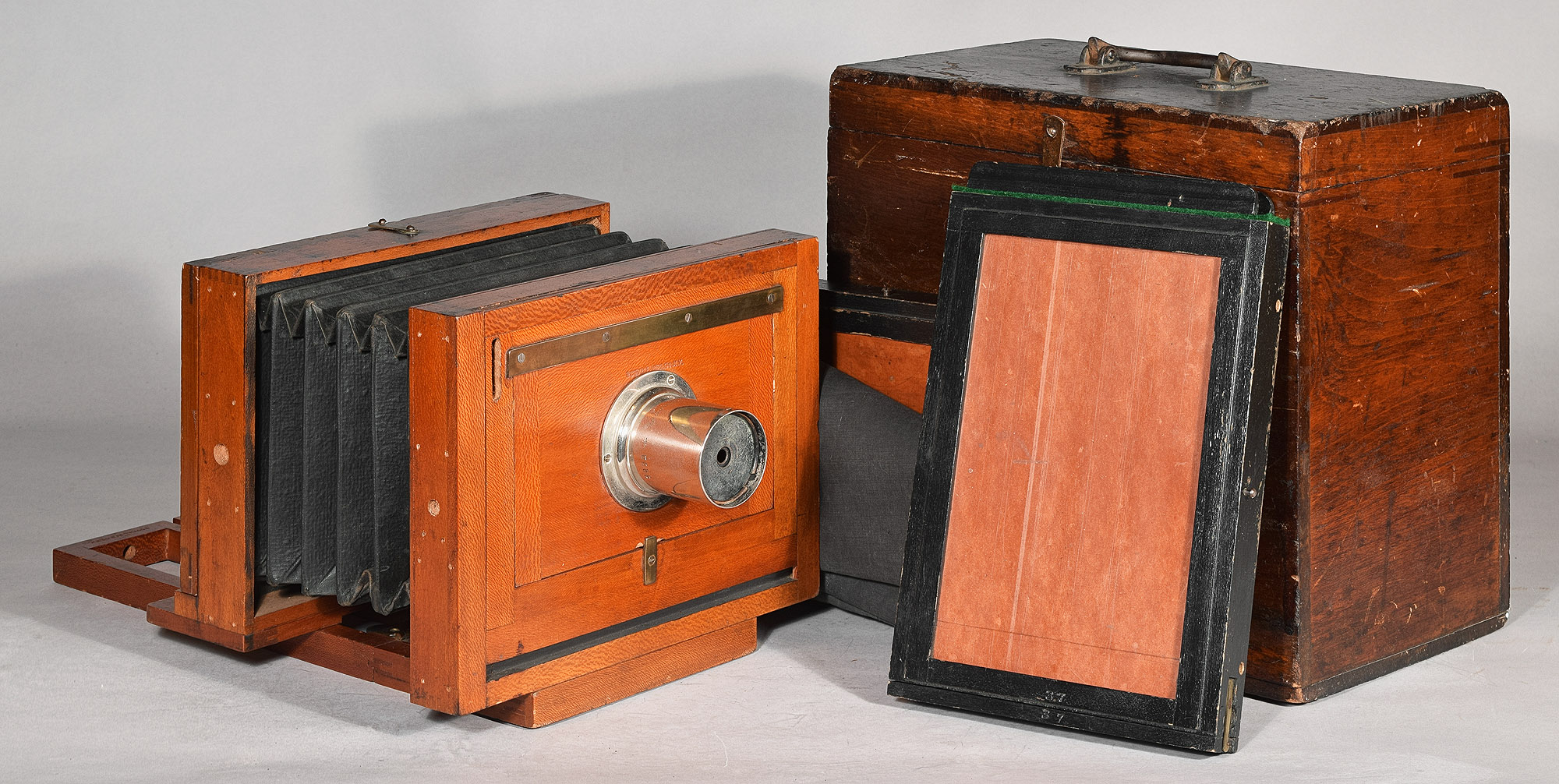
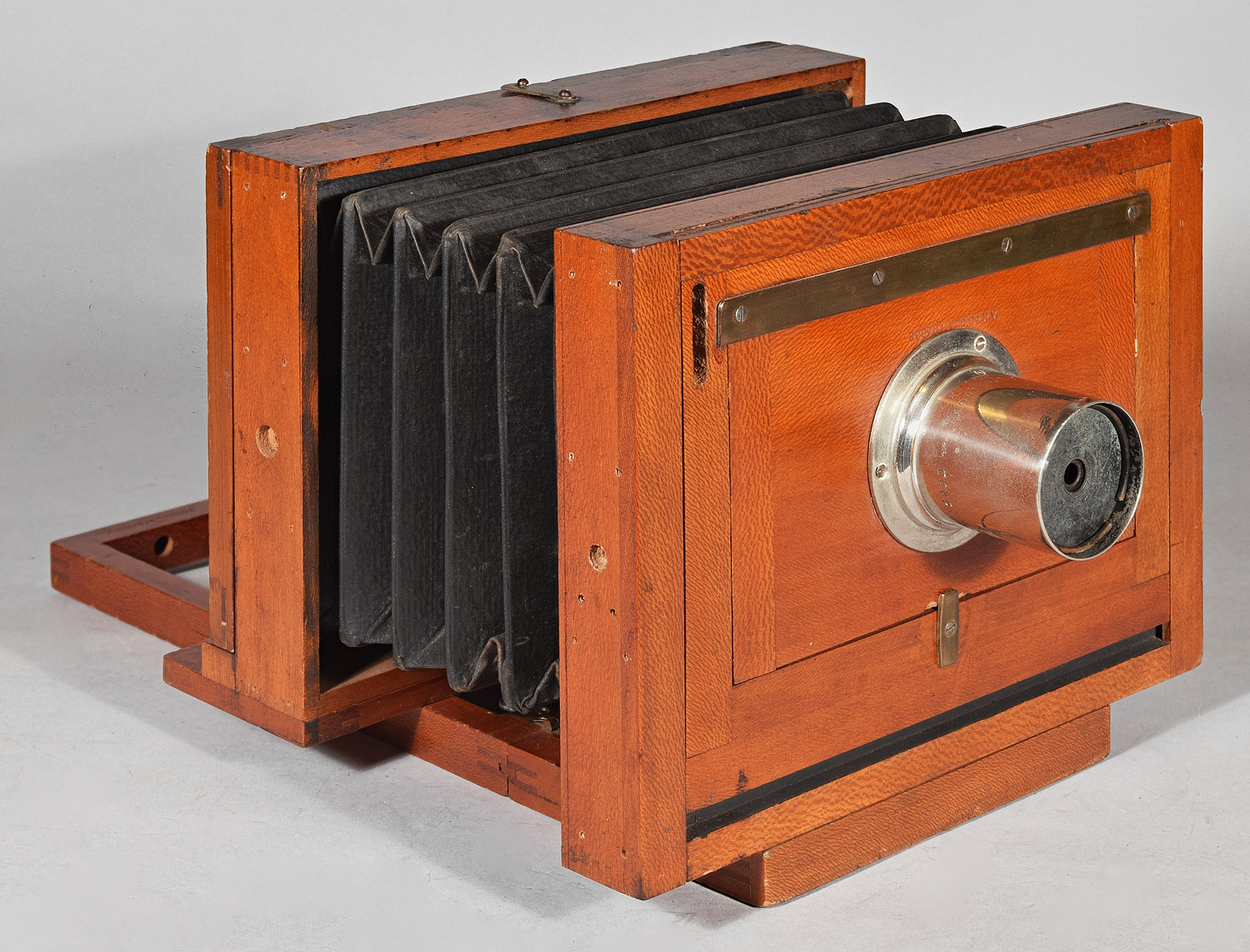
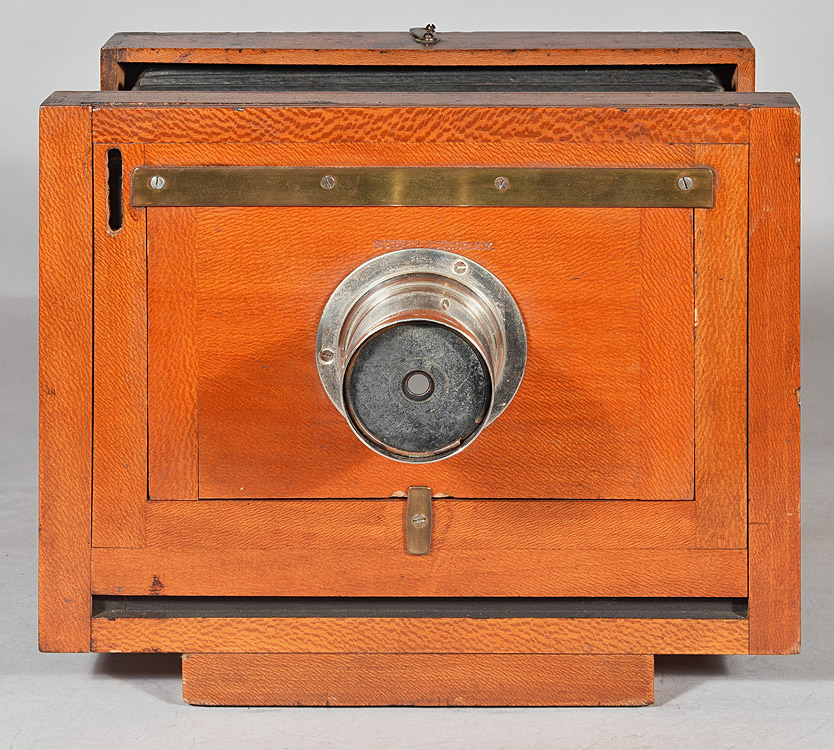
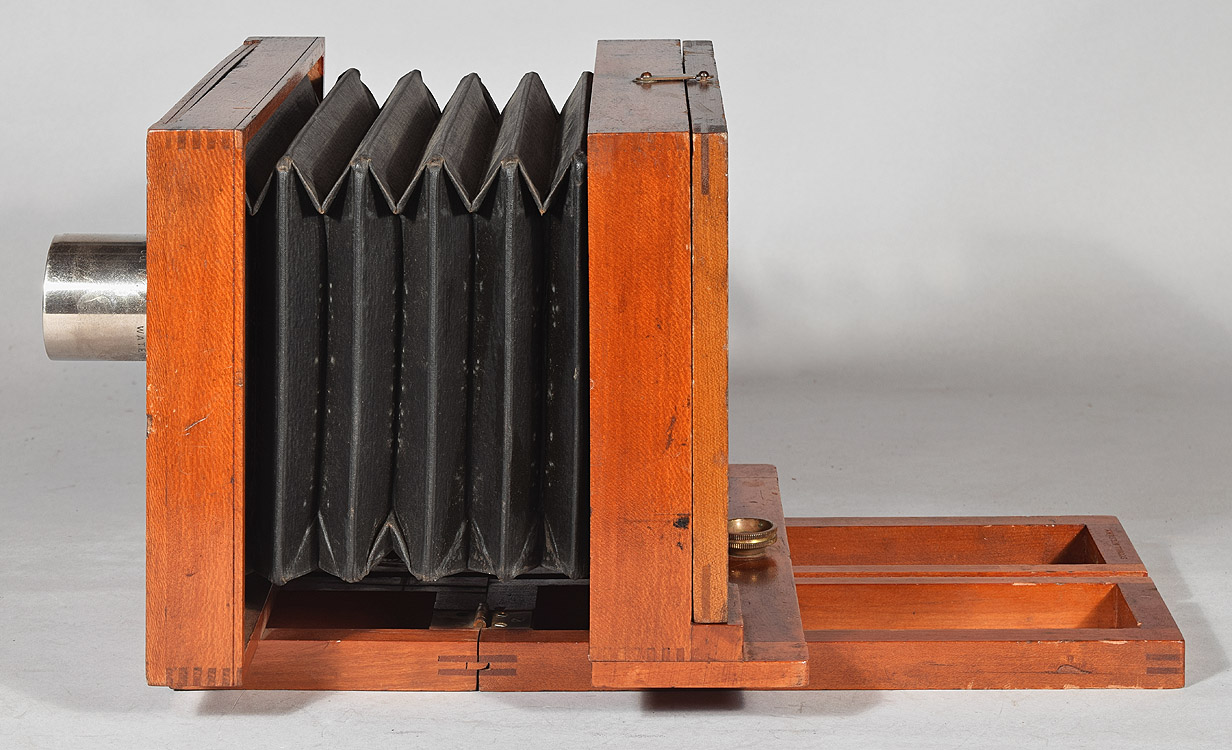
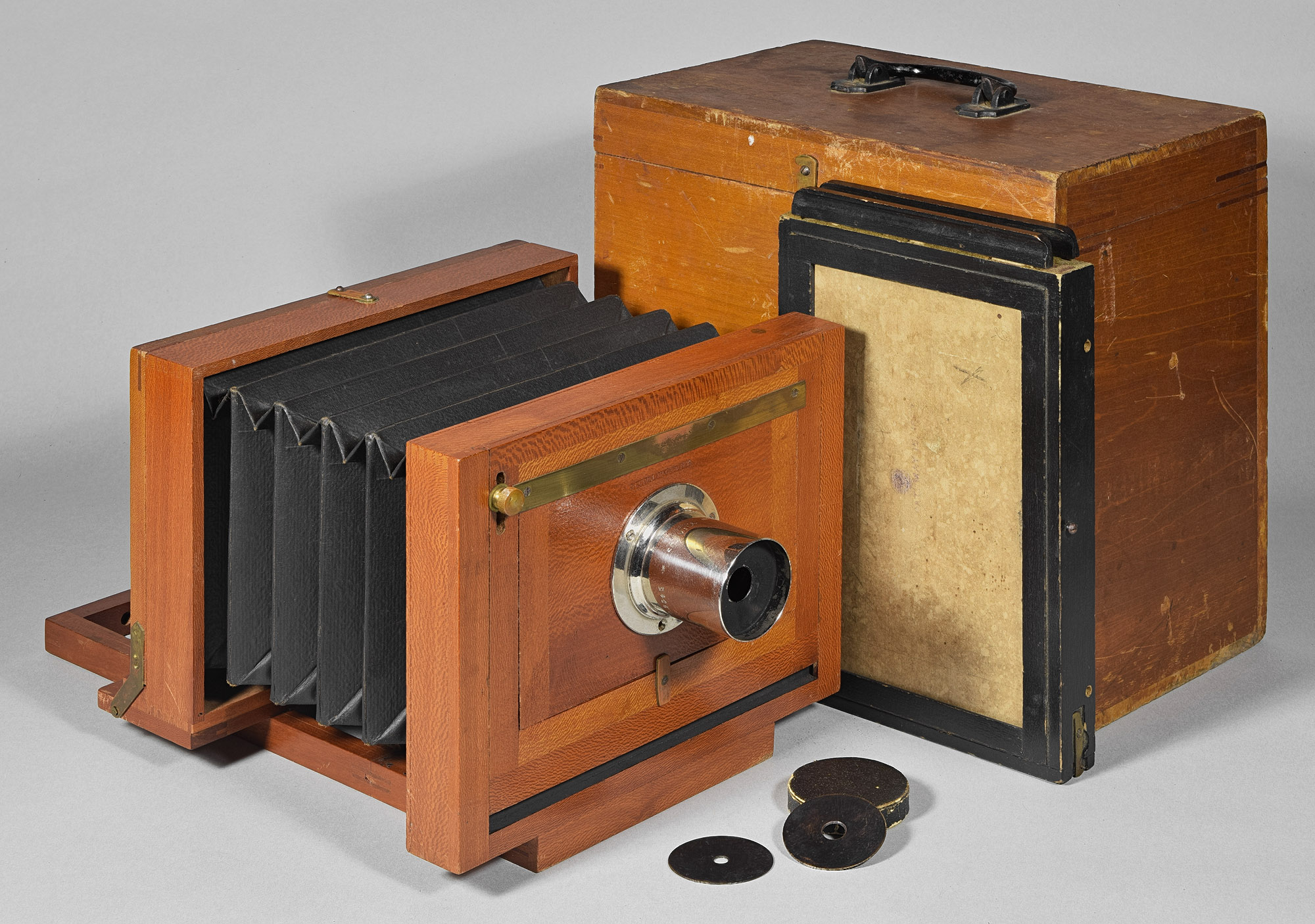
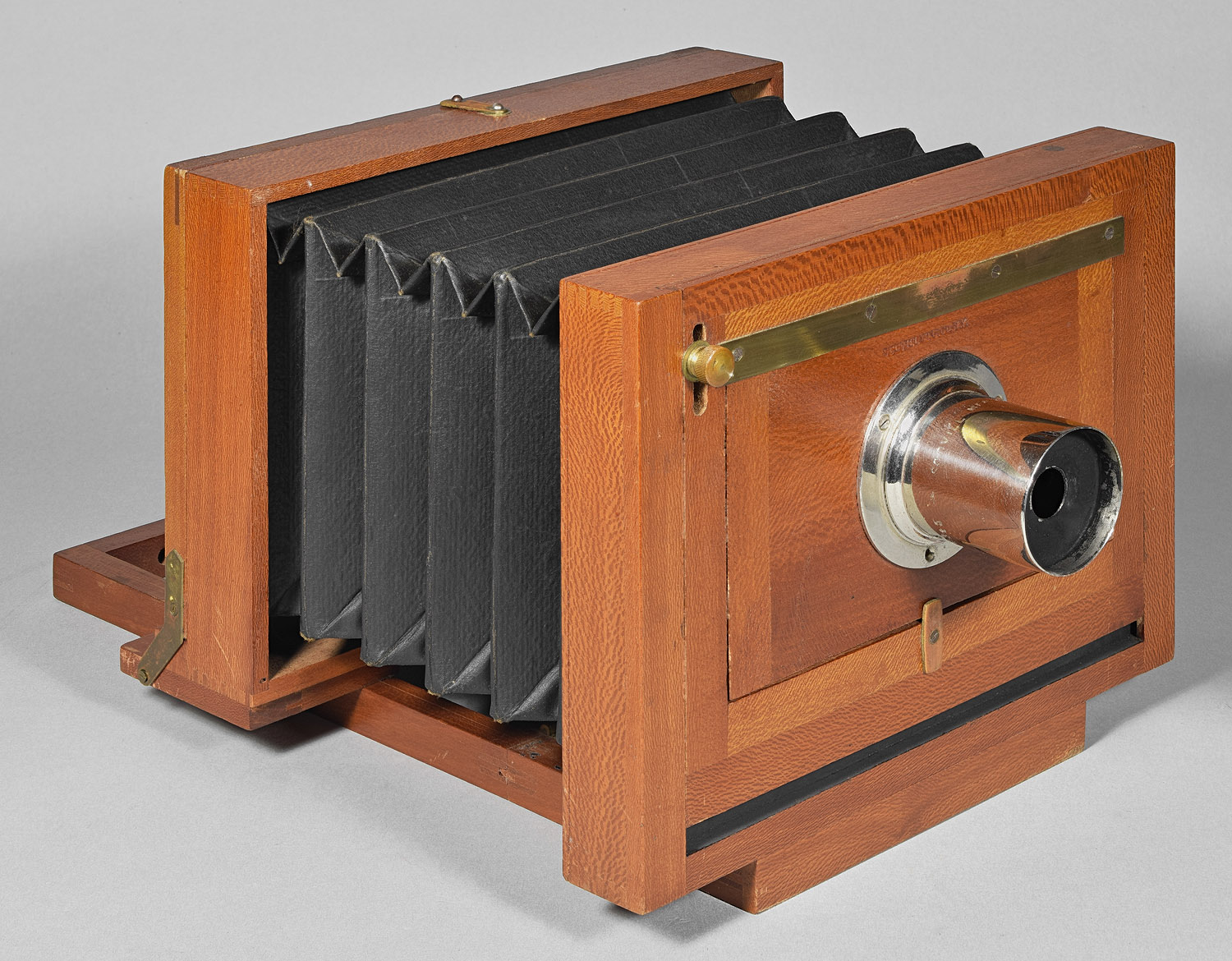
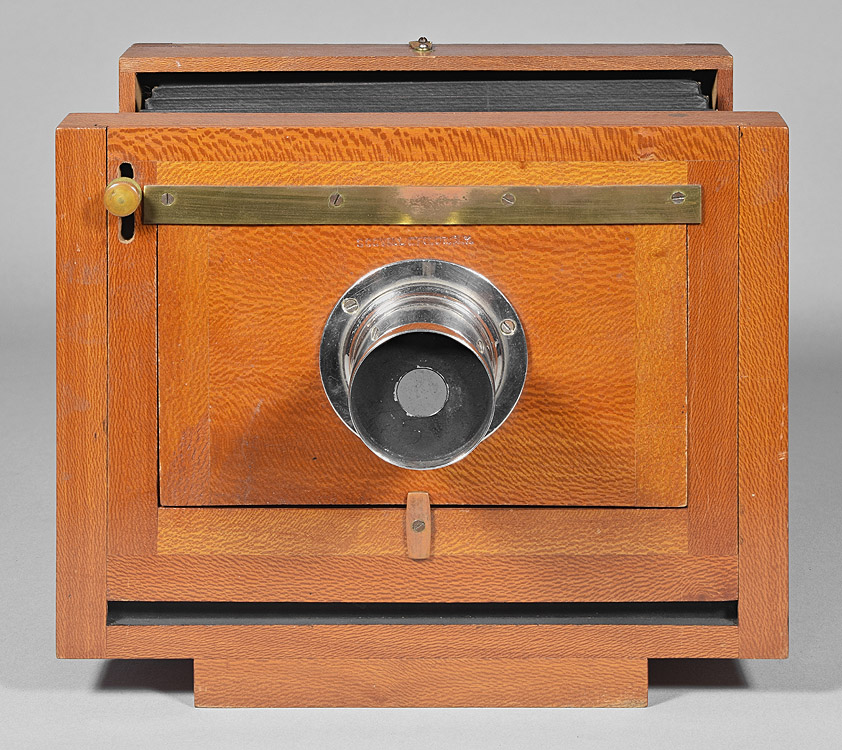
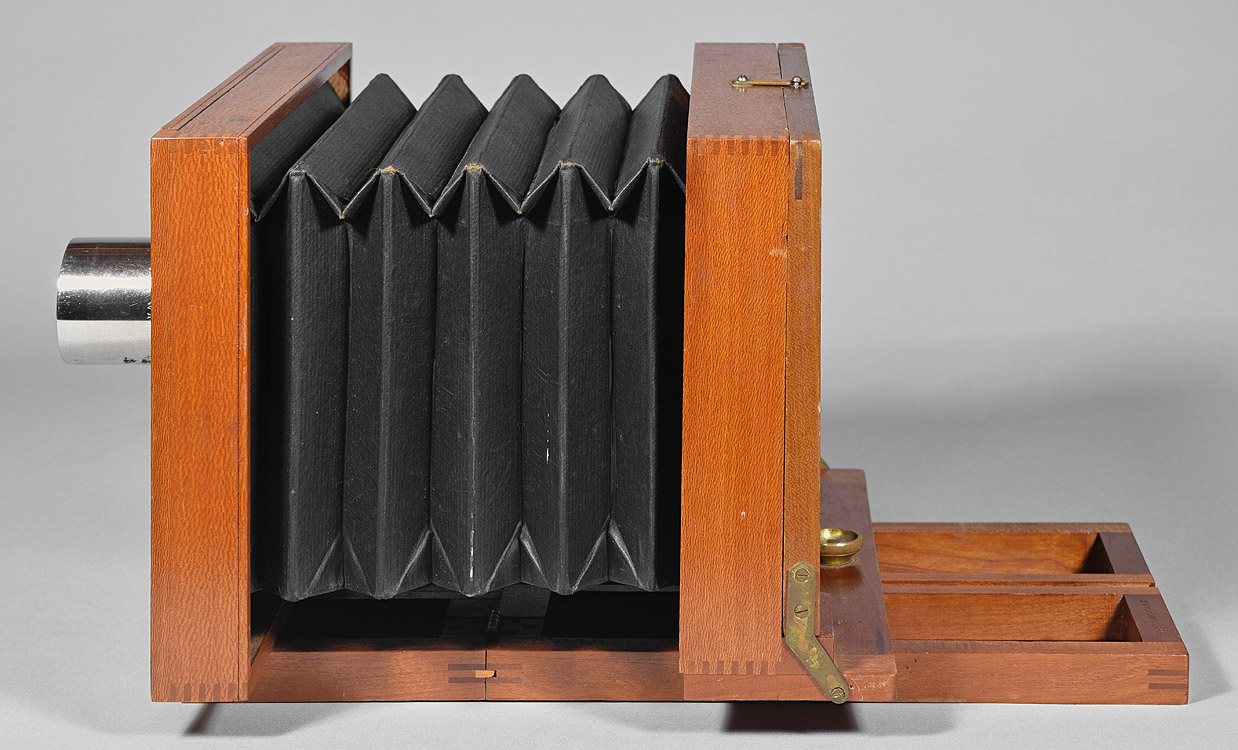
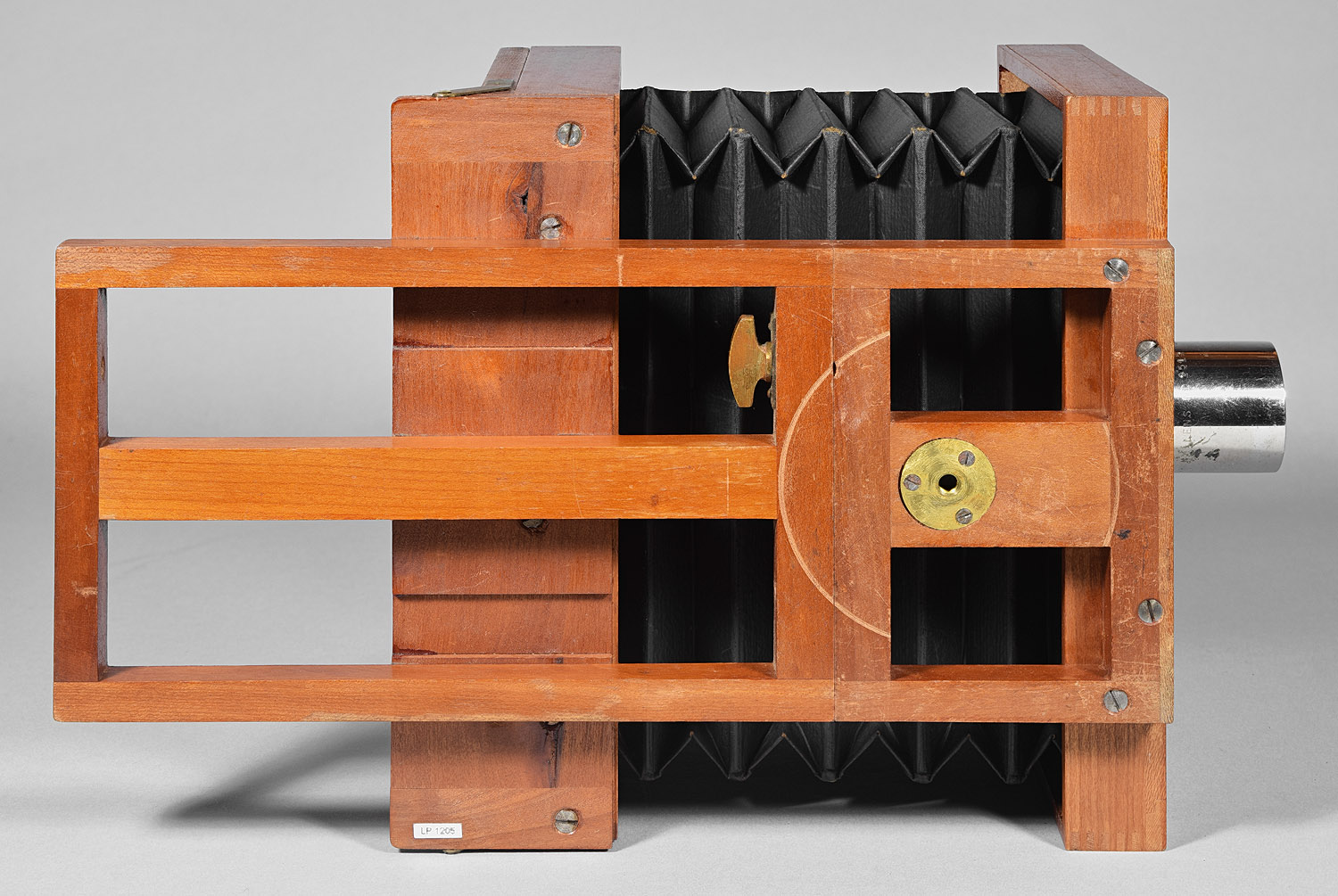
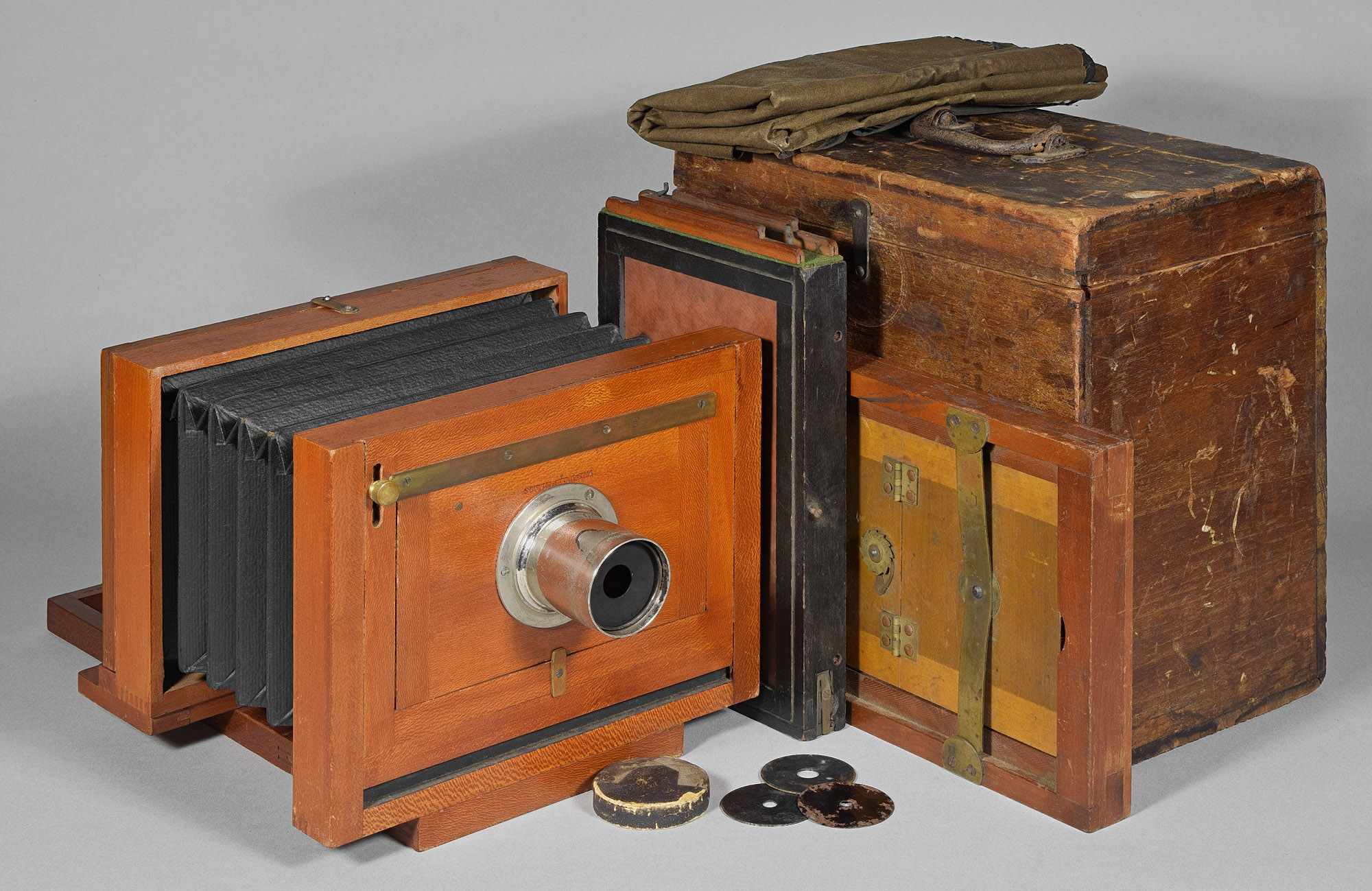
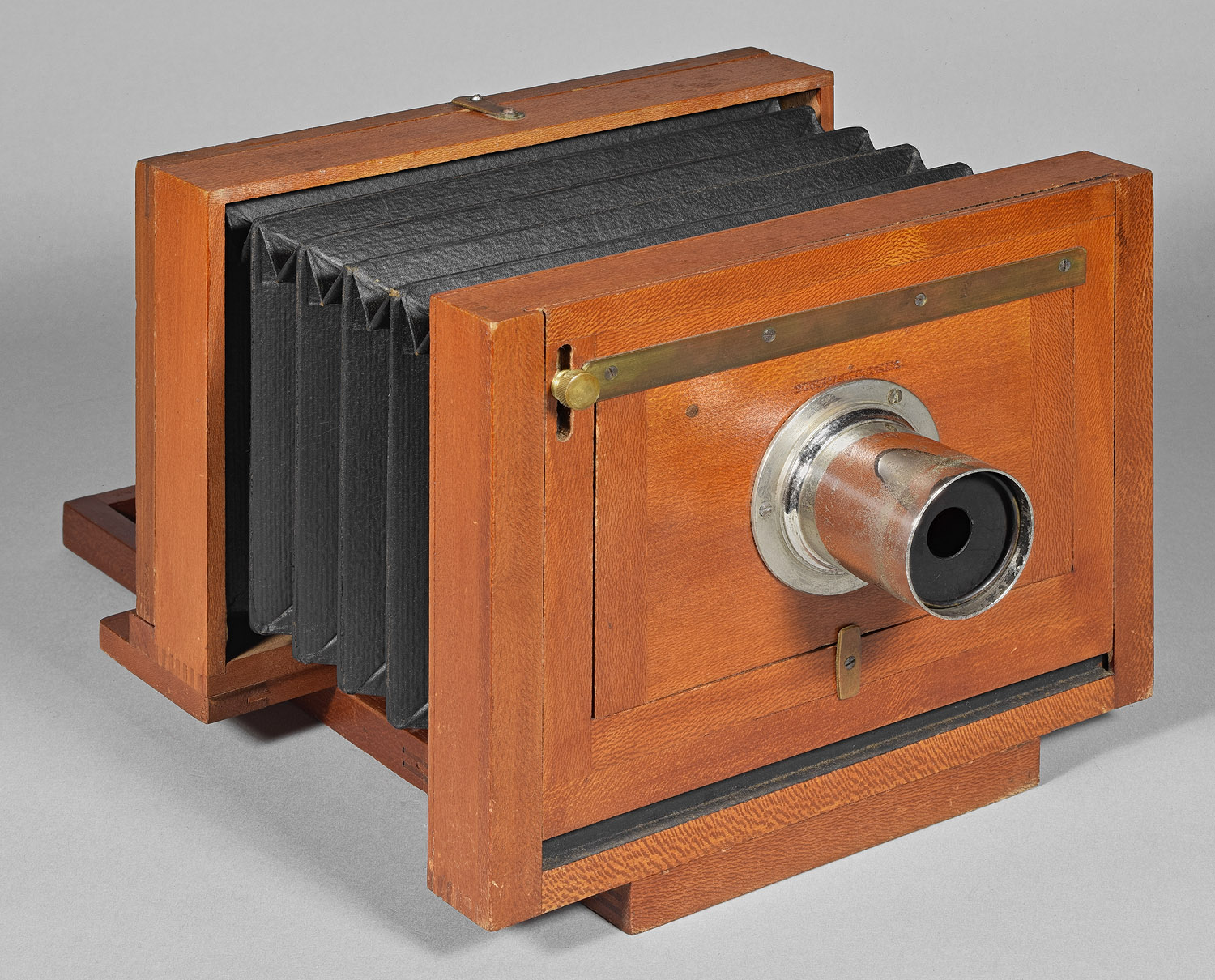
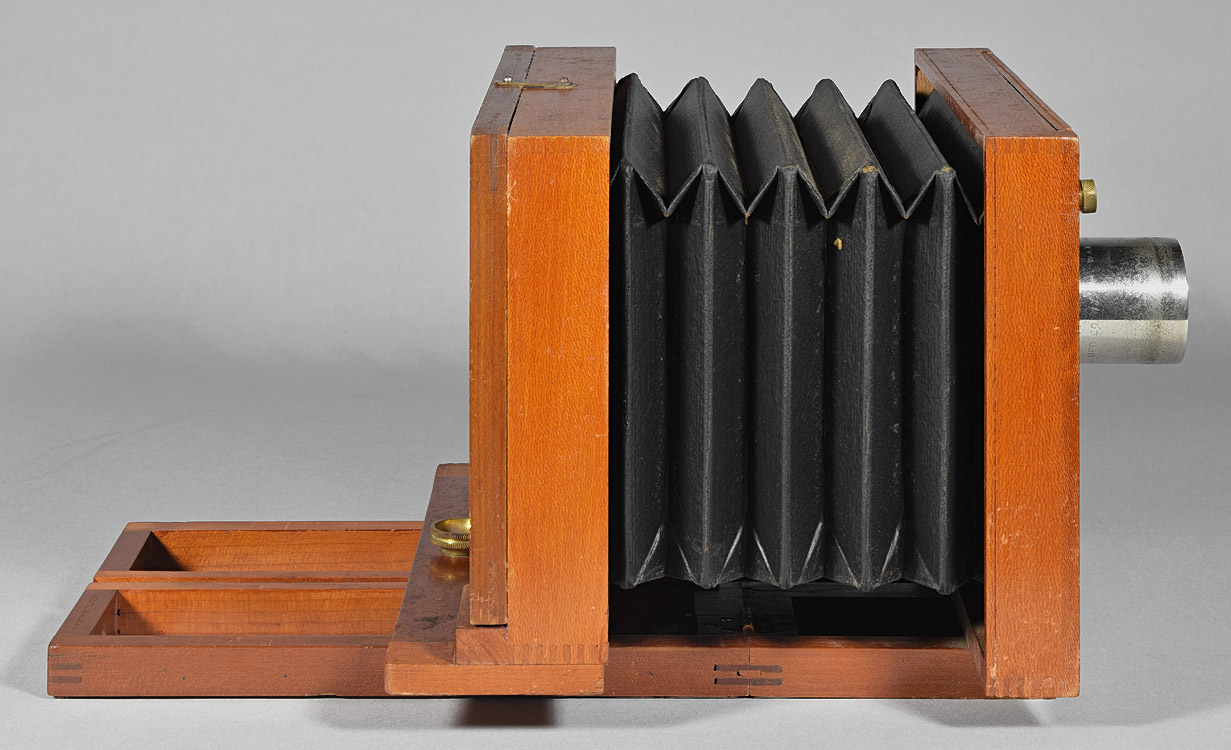
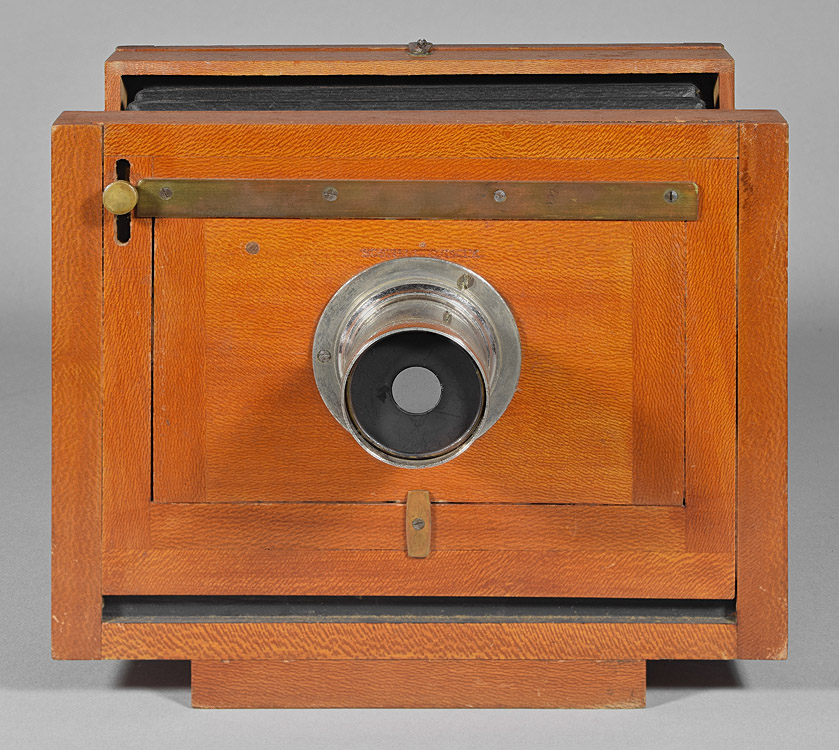
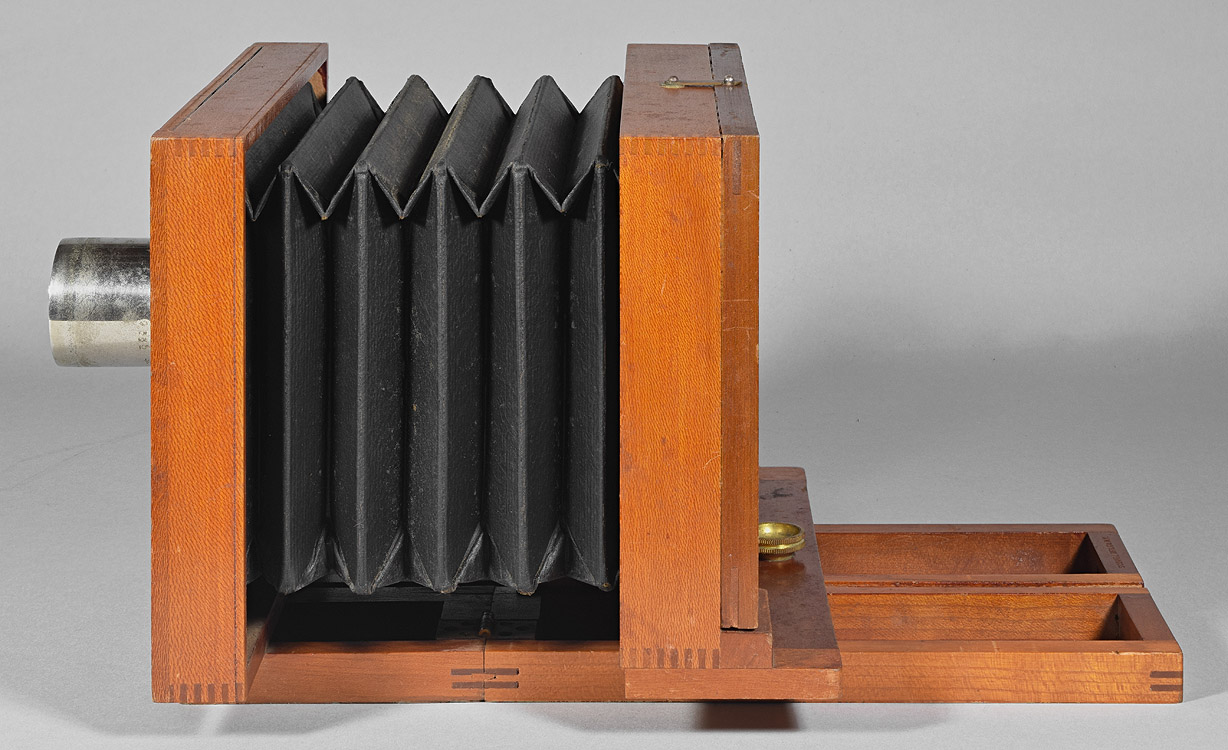
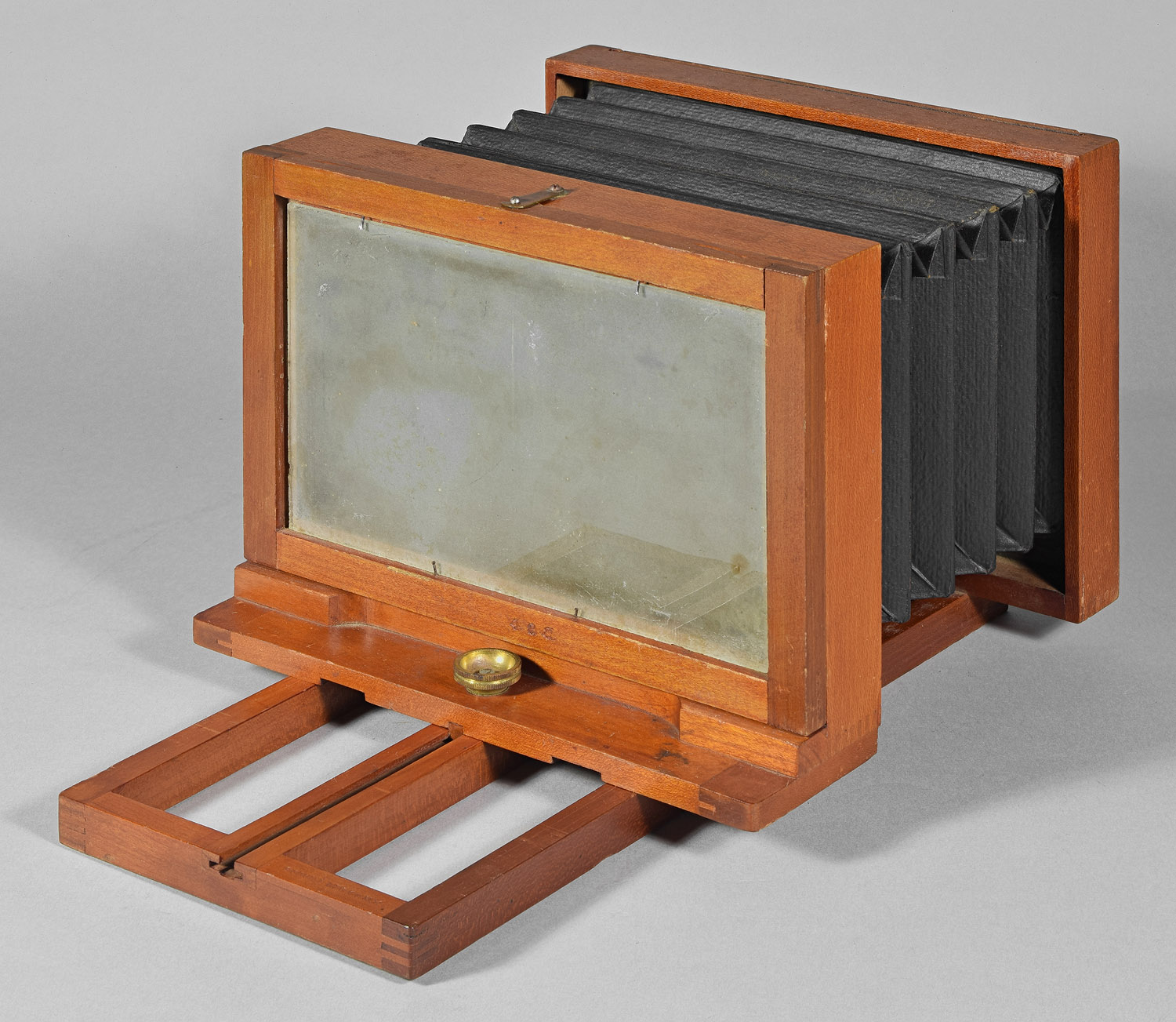
Scovill Mfg. Co., New Haven, CT factory This is an inexpensively
made camera, very similar to the
Ne Plus Ultra Folding Platform. The only difference is
that it is made from quarter-sawn sycamore wood, a semi-hardwood having
a striking pattern when quarter-sawn. This wood is
also found on the
Scovill New
York (601-603) Camera. The back is made
of the same wood, not painted black like the Ne Plus Ultra or
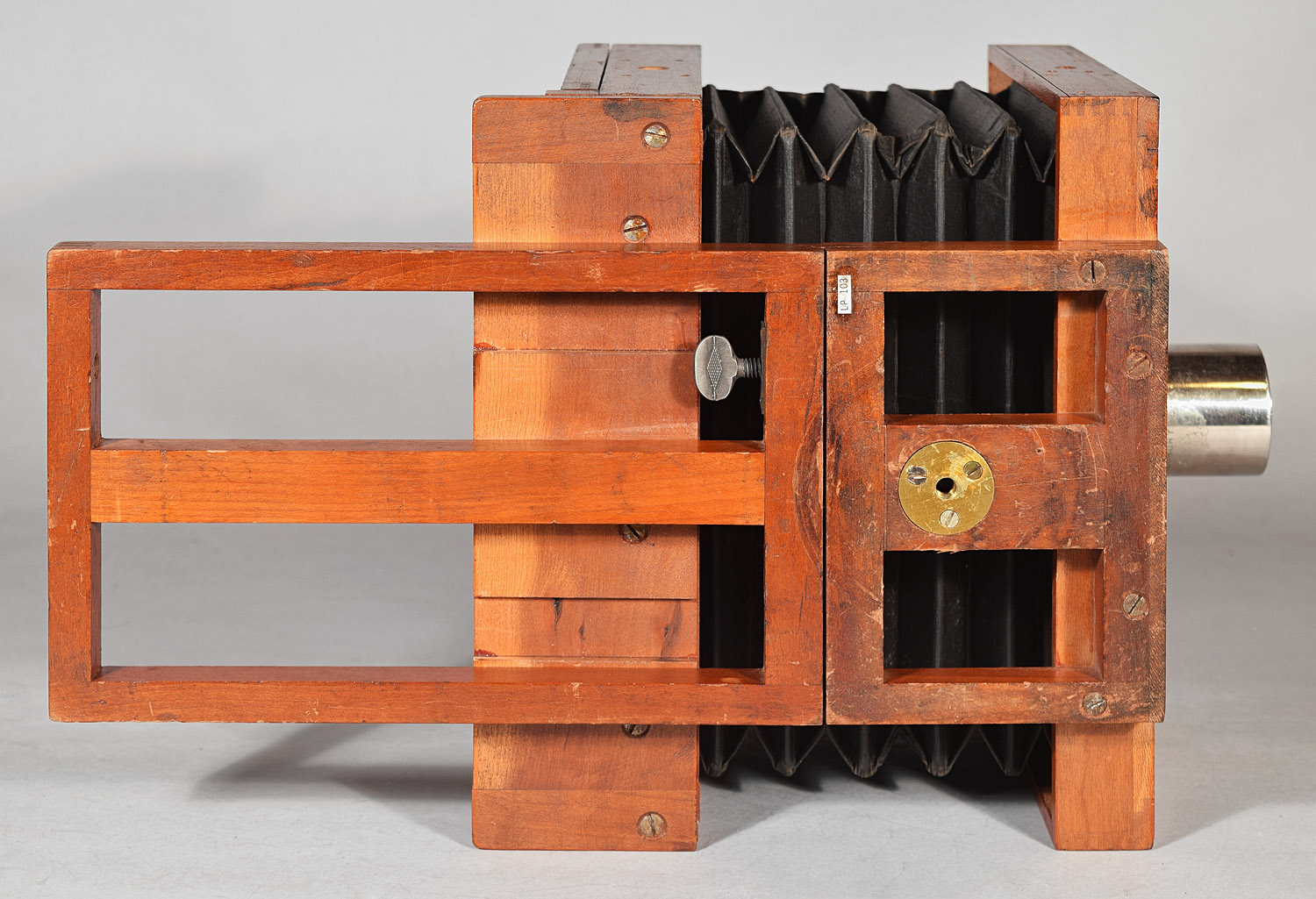
Favorite. The bed lock is
via a thumbscrew (like the Ne Plus Ultra)
rather than patent side clamps (like the
Waterbury,
which may mean that it was an early model,
made prior to the side clamp patent (20
Oct 1885). Each has an appropriate
nickel-plated
Waterbury Lens Variation 1, another indication of an early
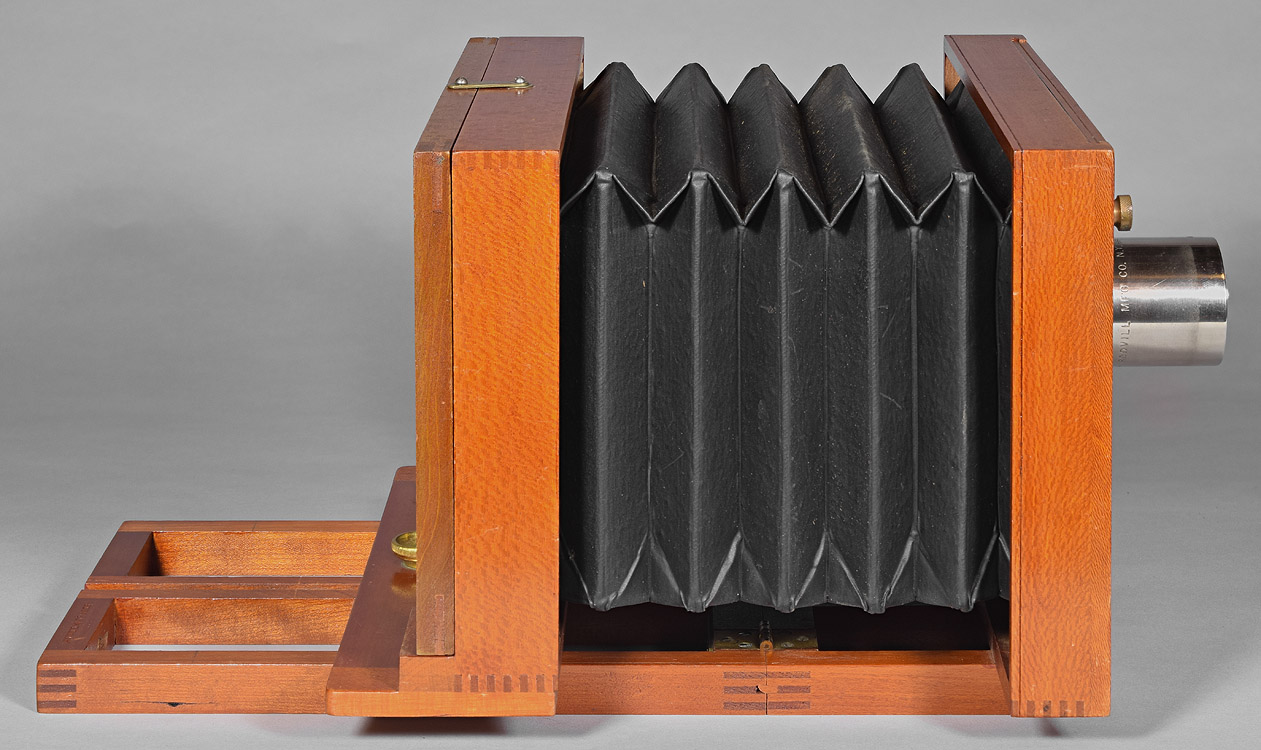
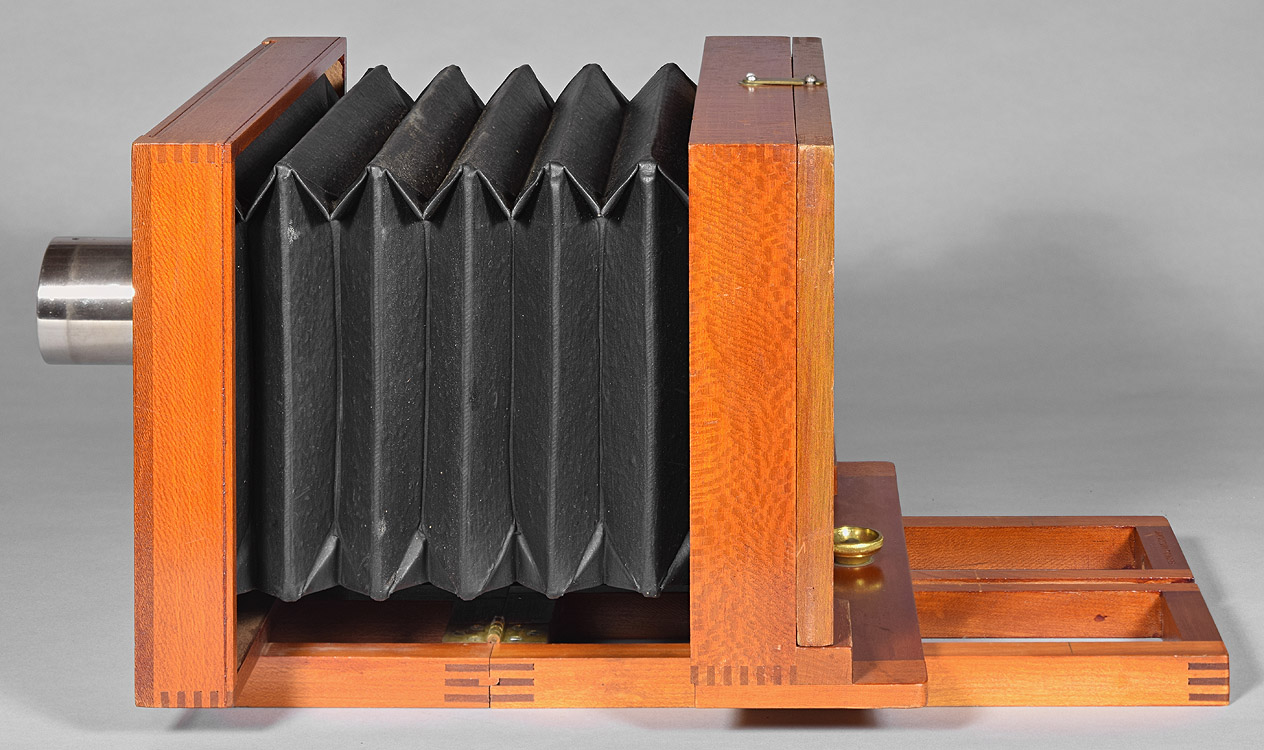
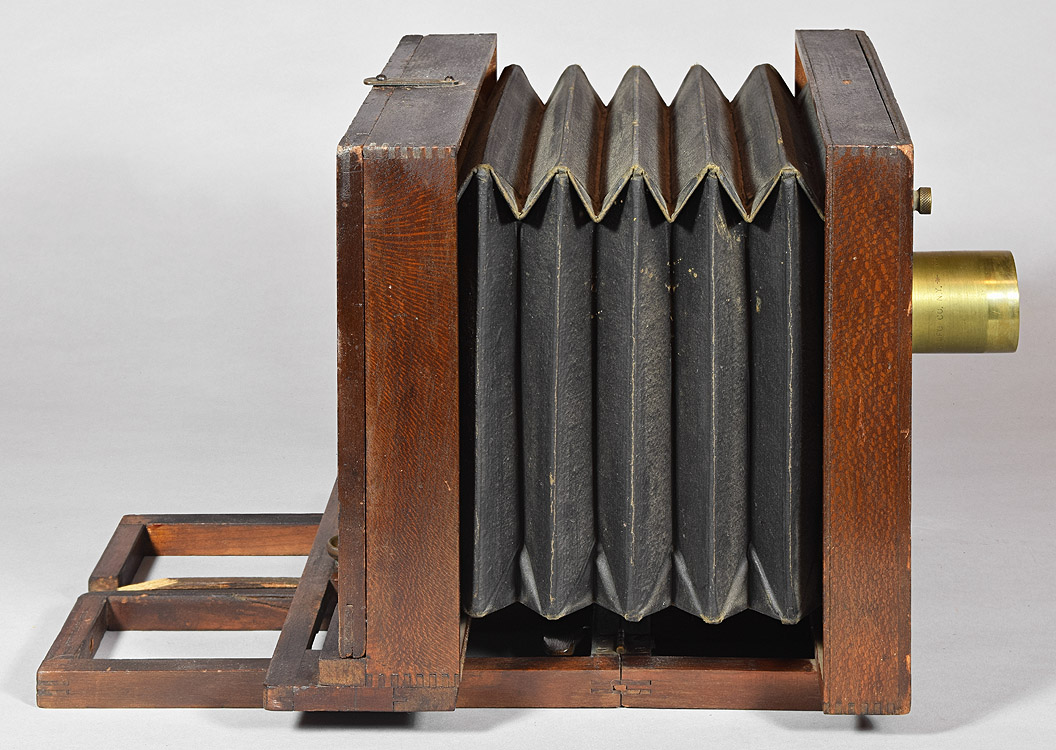
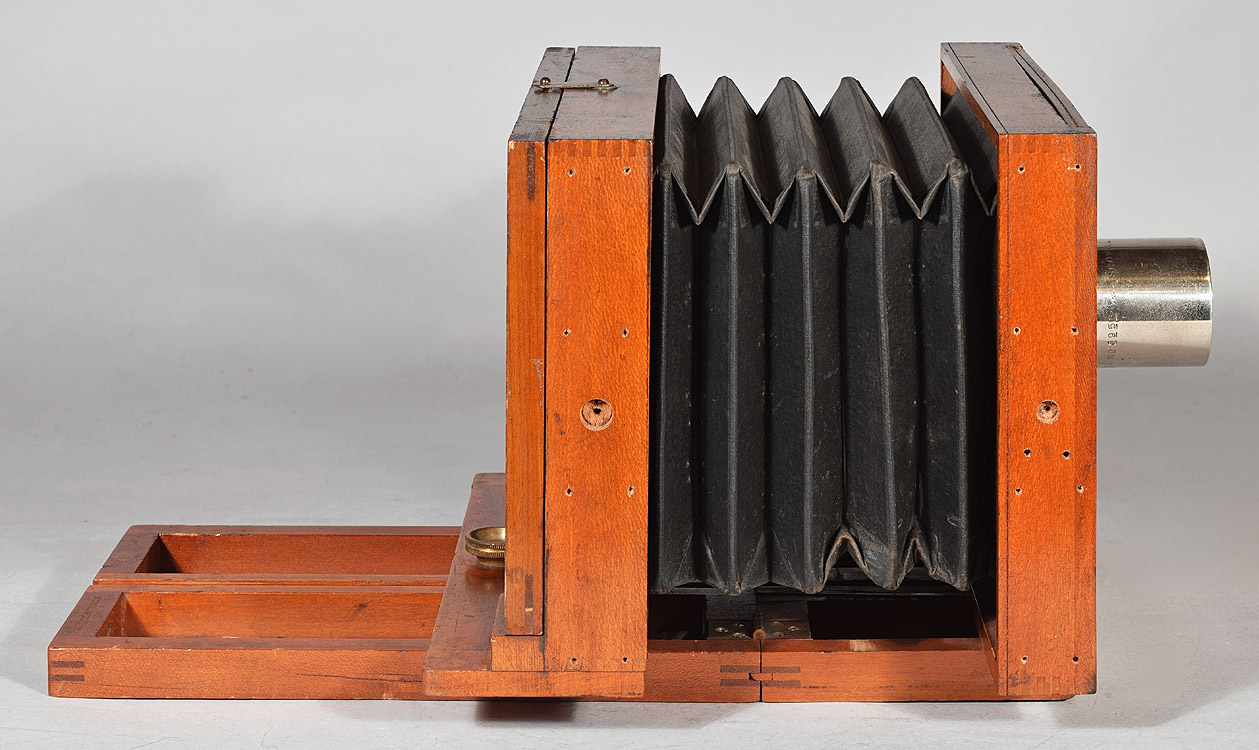
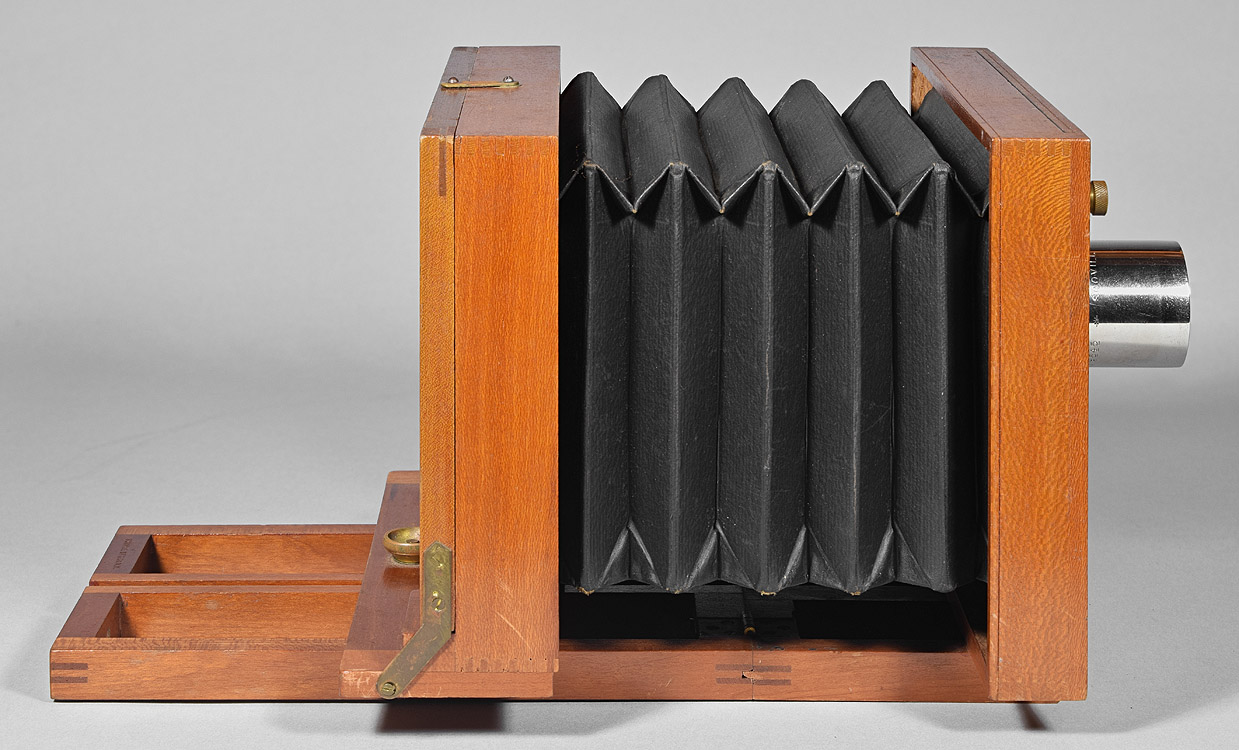
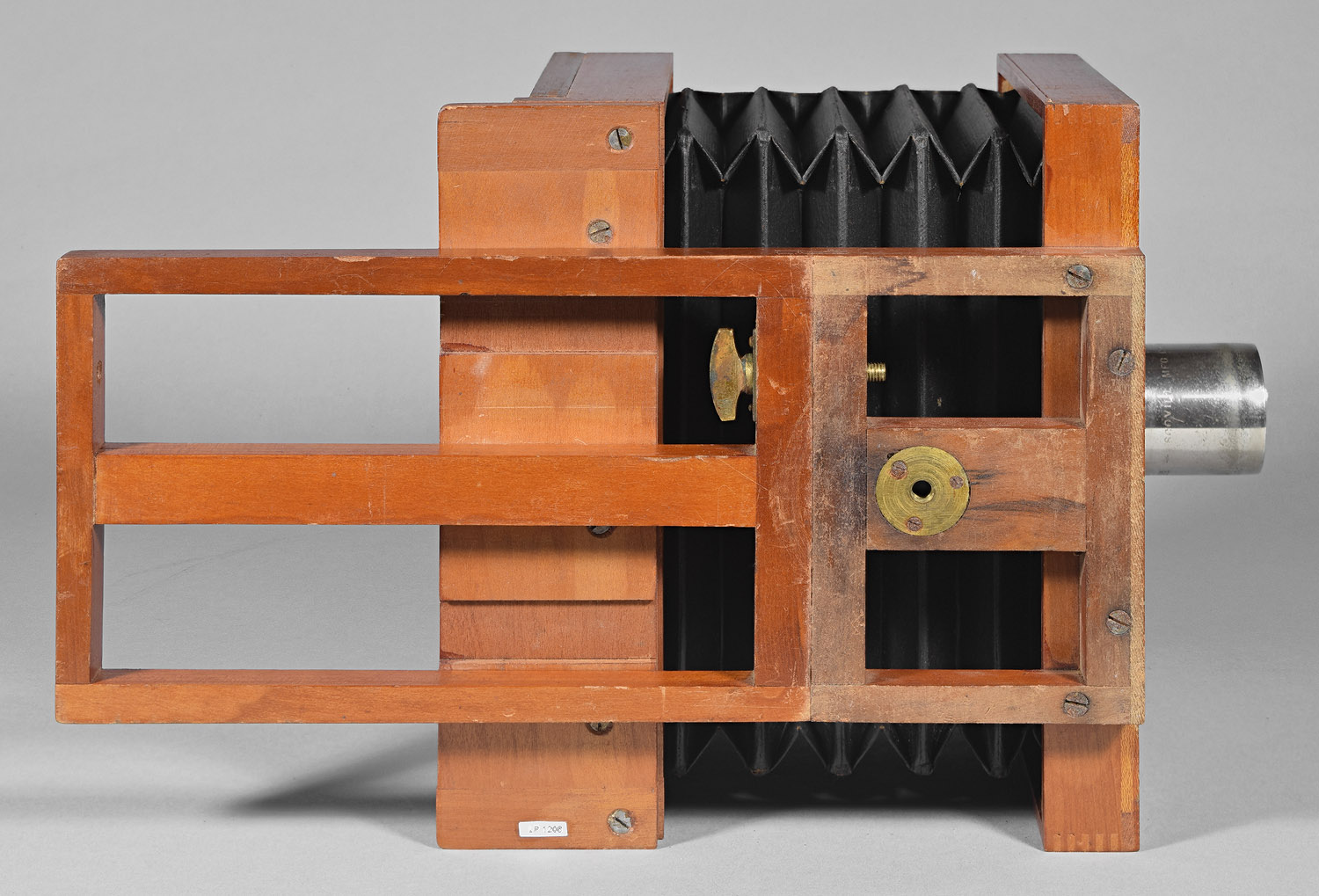
origination. The cameras have
long platforms - when folded up, it extends at
least 2" above the top of the camera. Most cameras of "tailboard"
construction possess bases that reach exactly the top of the camera when
folded, thereby being more compact. The case has been made
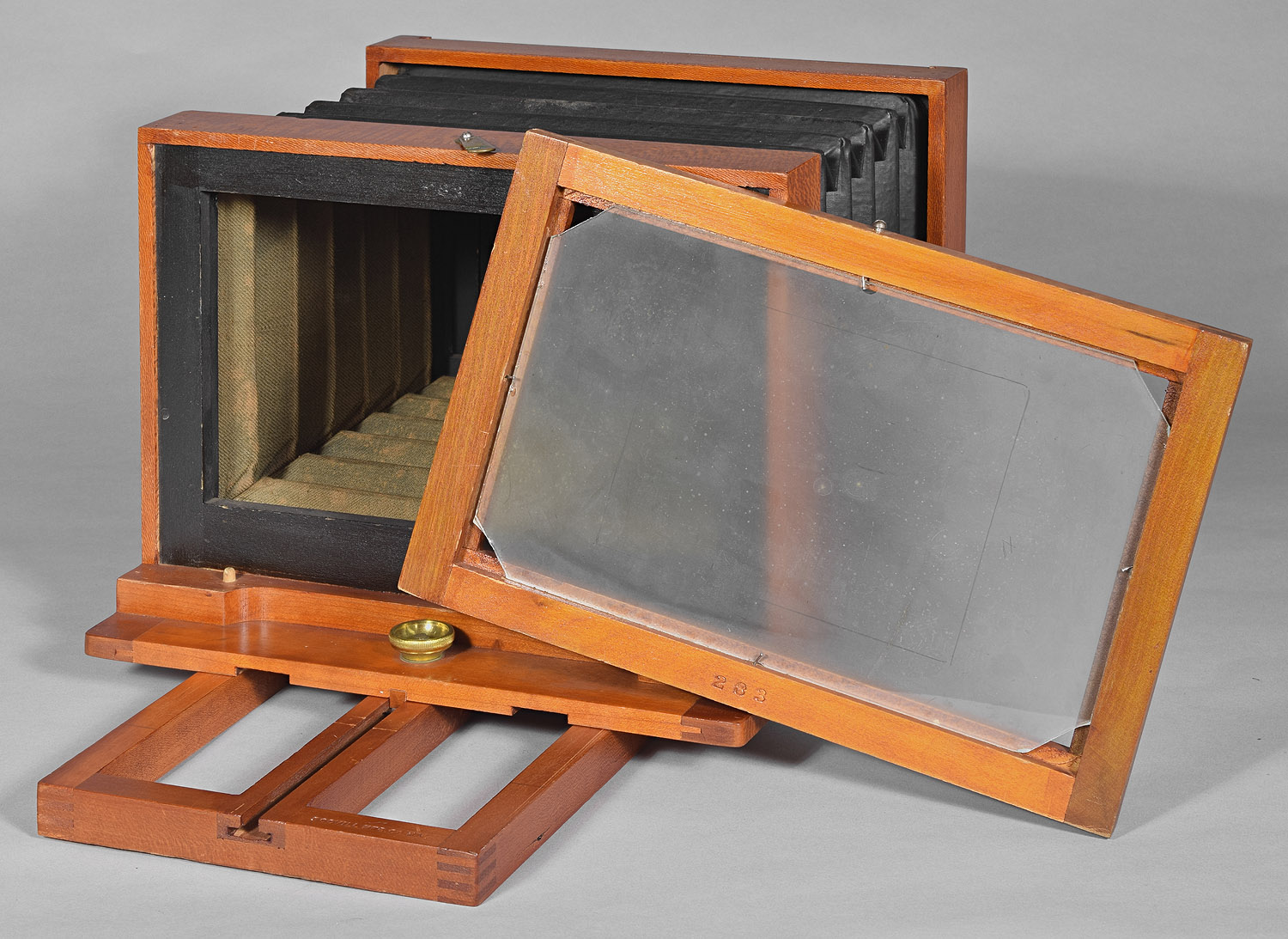
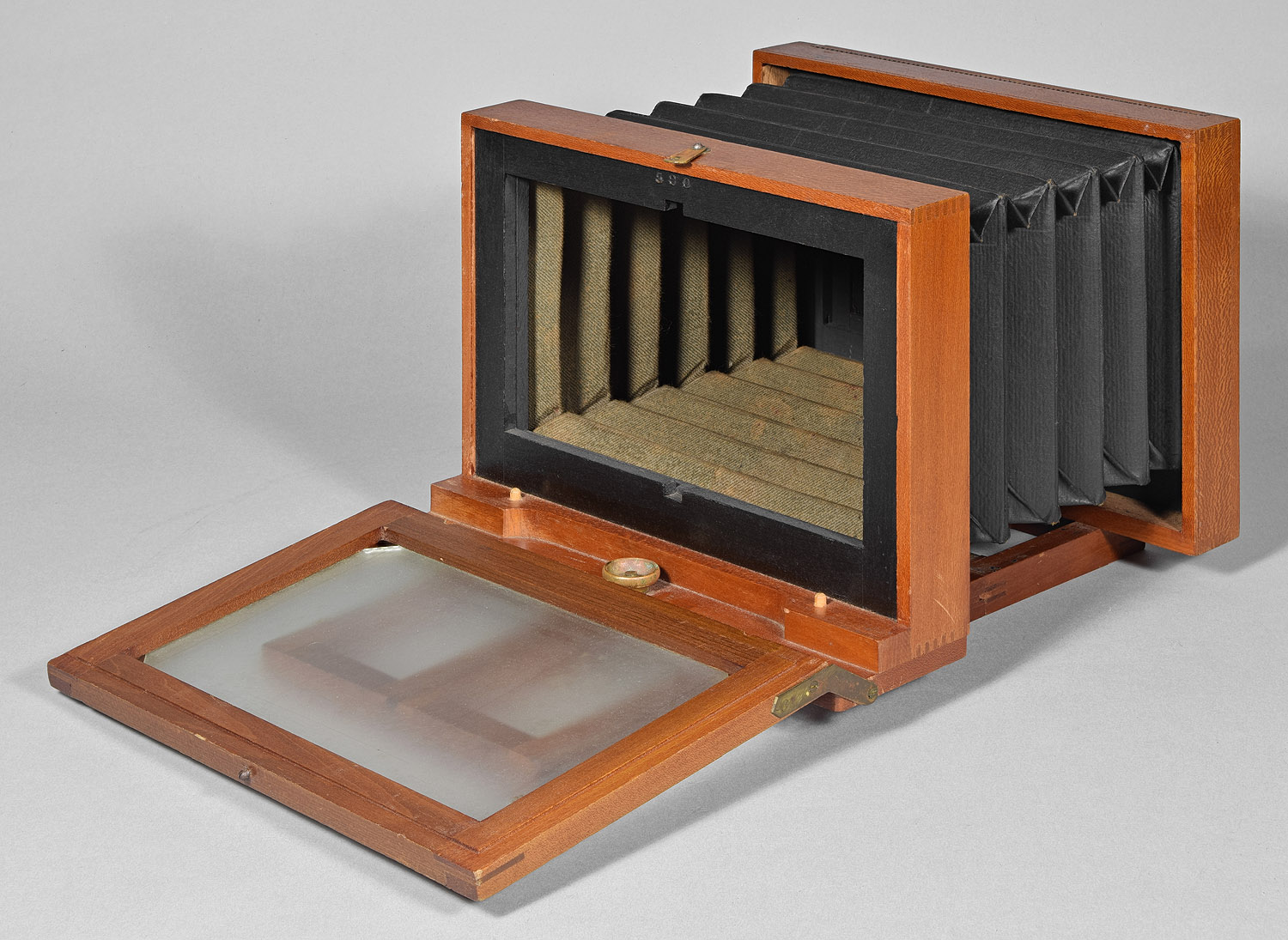
taller to accommodate the height. It has
interior slots to fit a septum for stereo
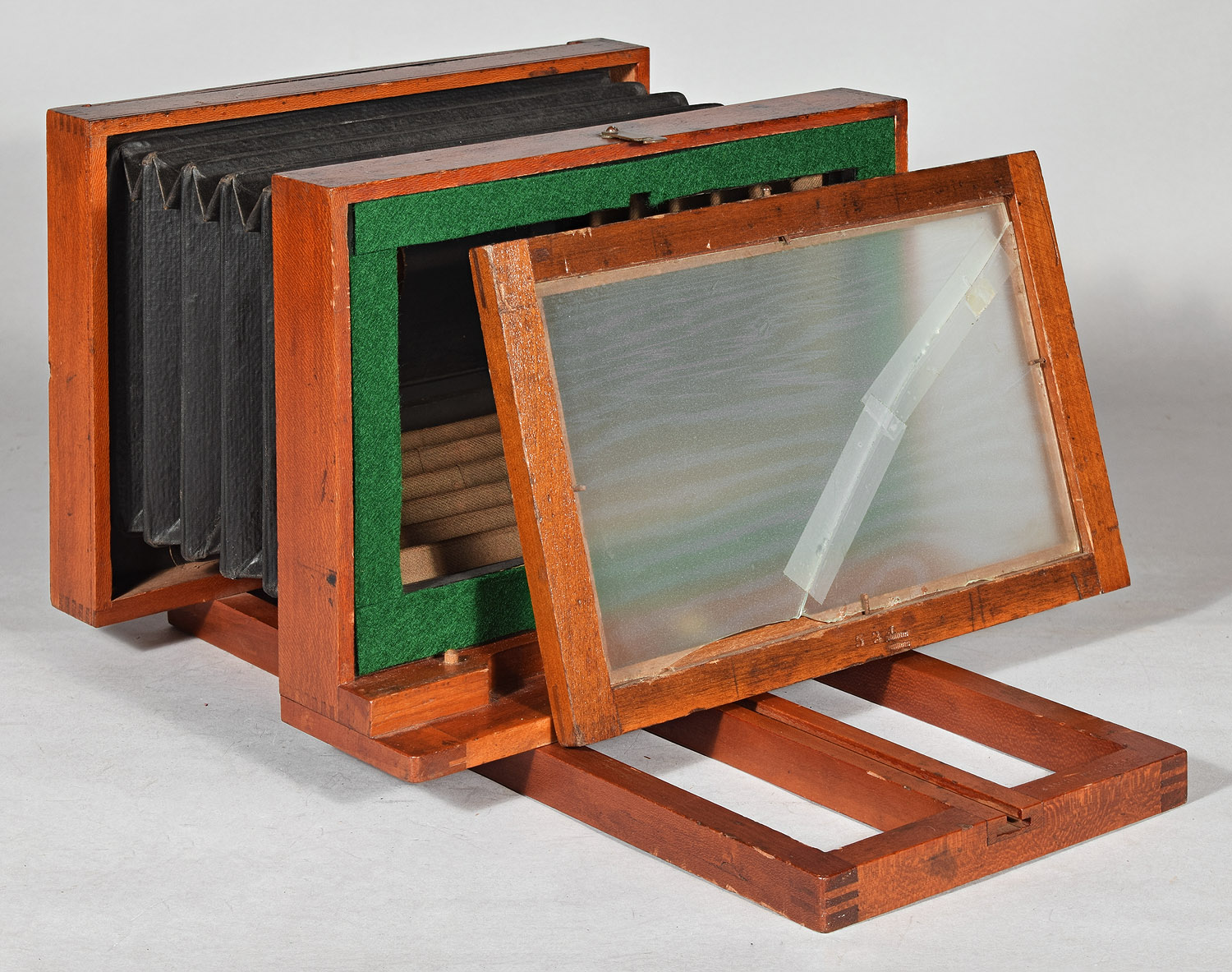
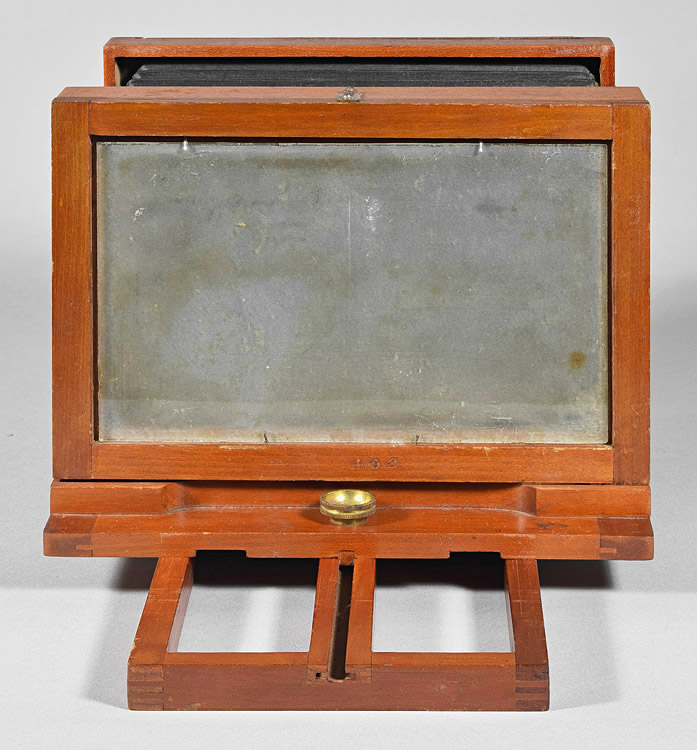
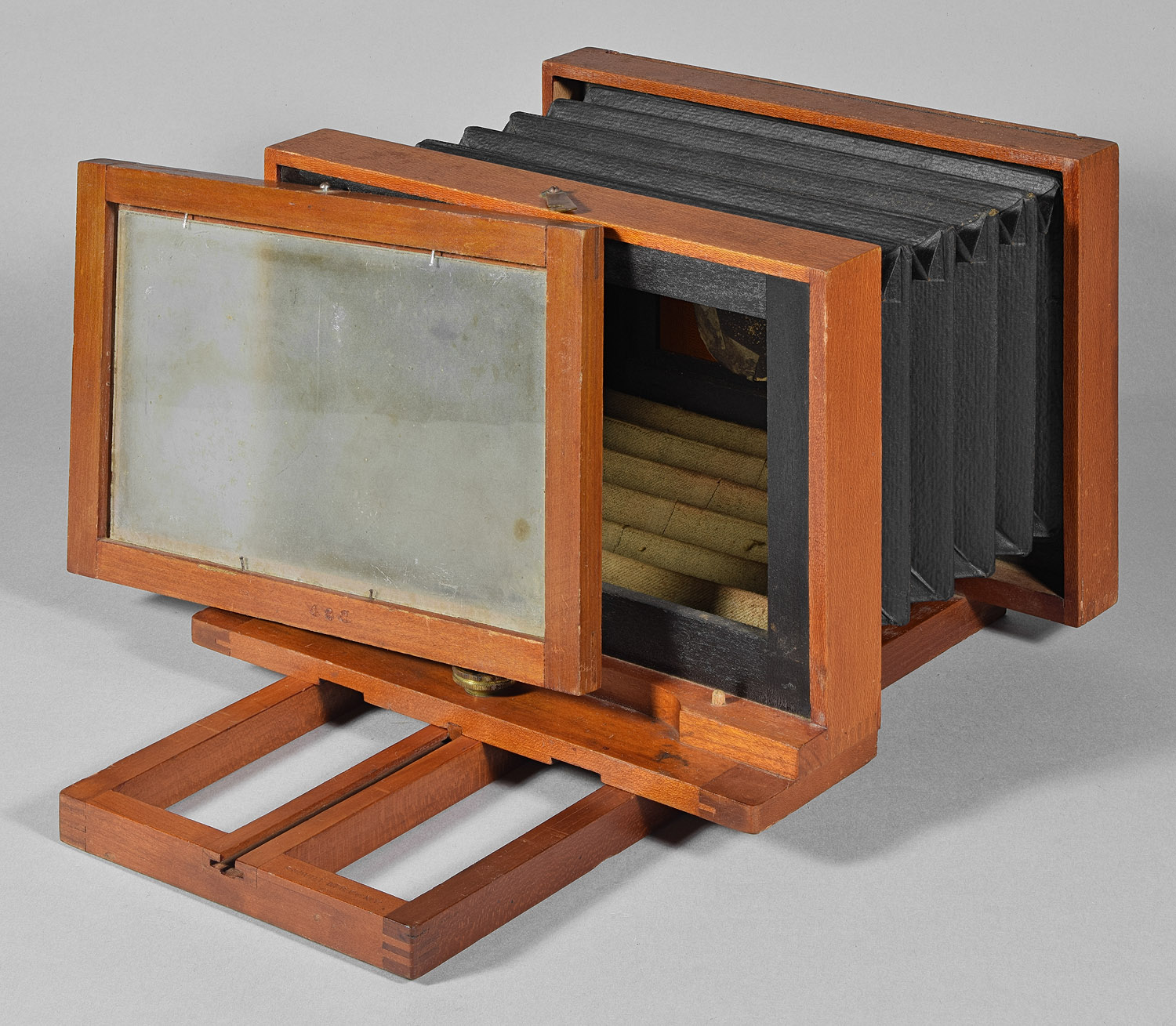
work. All except one have ground glass frames that are
unattached to the camera, that is, they are completely removed when the
plate holder is affixed. The one that is different has
side-mounted L-shaped hinges on the sides of the ground glass holder
that are identical to others observed on Scovill products, so are
undoubtedly original. Its serial number is 580, the highest of all the
serial numbers, making it probably a late improvement in the lifetime of
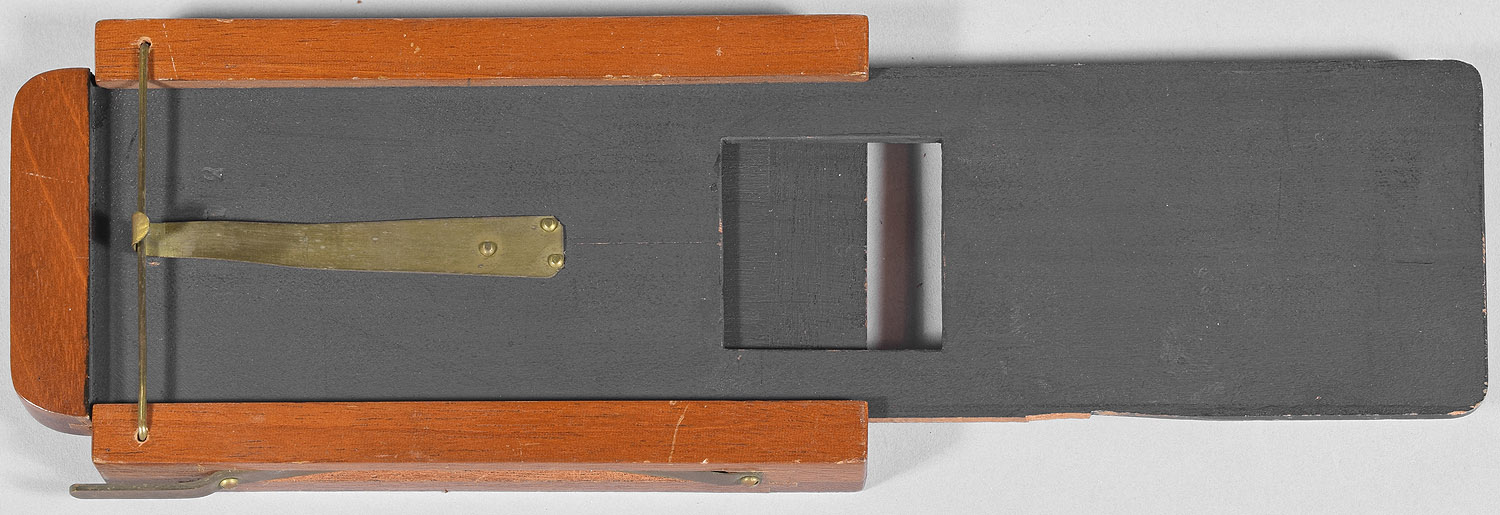
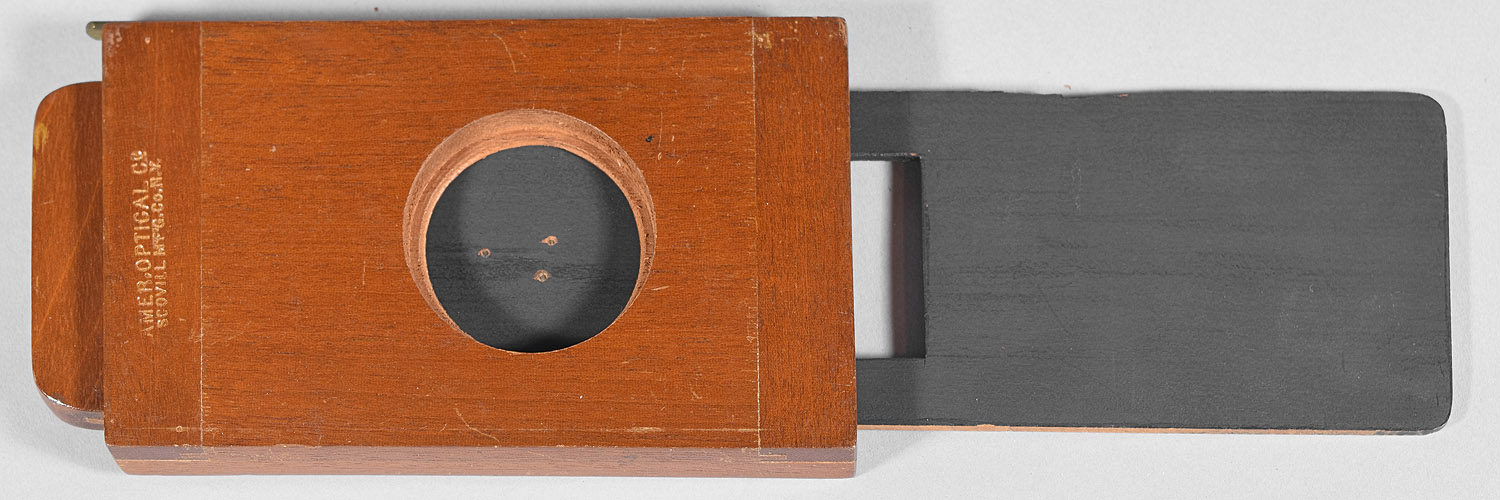
the model. Each of two of the shown
examples, Serial No. 342/548 and Serial No. 233, are associated with an
identical American Optical
Scovill's Safety (drop) Shutter. That the shutters are
identical implies that American Optical/Scovill sold a set combination
of camera & accessories - an outfit, which was probably advertised as
such. References:
5 x 8, Serial
No. 233 Drop Shutter
(front) Drop Shutter
(rear) 6 ½ x 8 ½,
Serial No. 40 Maker's Stamp
on rear of platform Serial or
Assembly Number Stamp on top of ground glass frame
Back to American Optical
Co. / Scovill Mfg. Co. (alphabetical)
5 x 8, Serial
No. 534
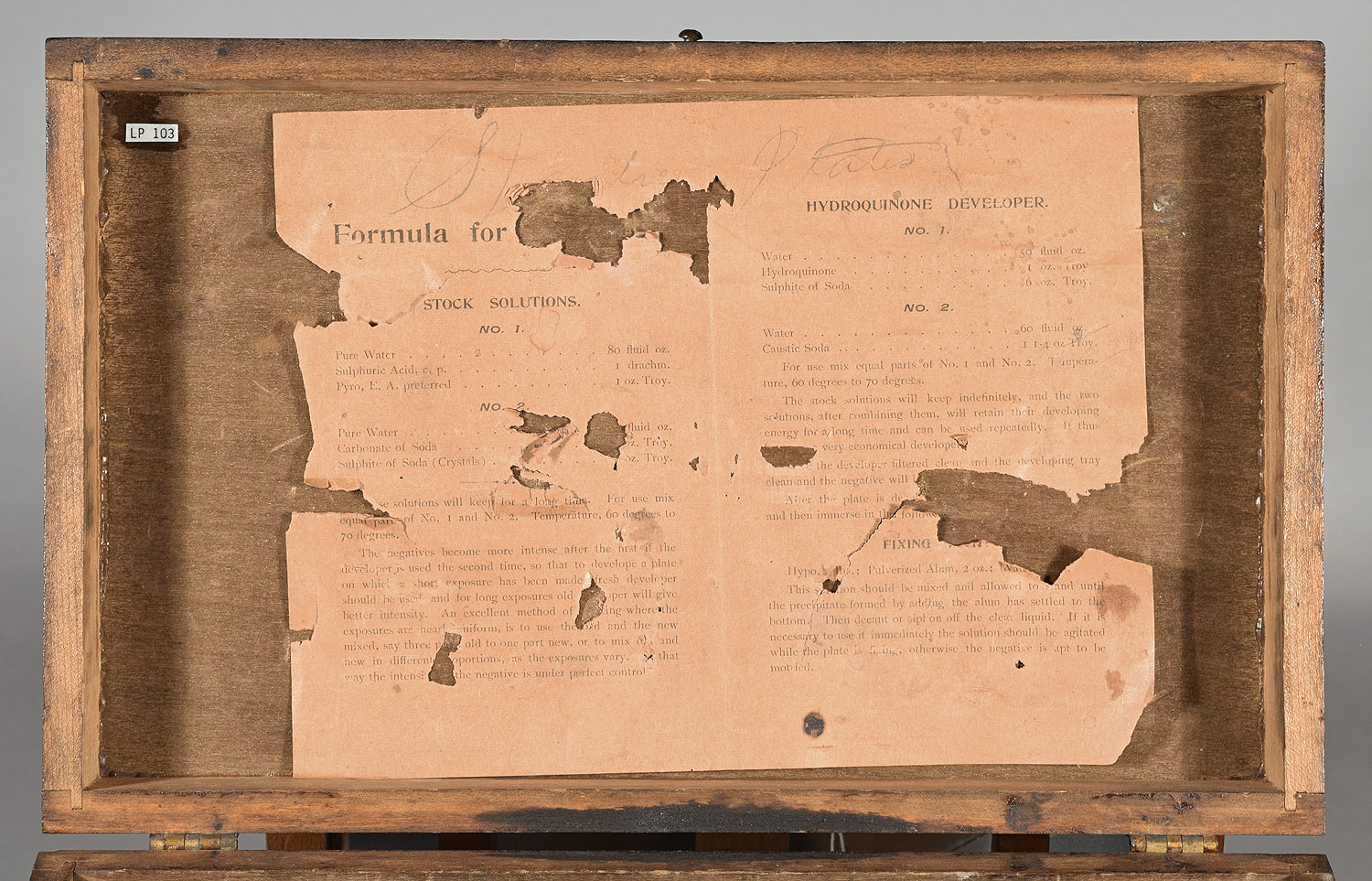
Close-up of the quarter-sawn
sycamore wood

Date Introduced: - ; Years Manufactured:
c. 1882 - 1885
Construction: rear
focus via push-pull; no swing; reversing by
two tripod mounts; three-piece lens board
Materials: quarter-sawn
sycamore body, cherry platform, brass hardware, black fabric bellows
Sizes Offered: #A=4x5; #B=5x8; #C=5x8
stereo and single; D=6 ½x8 ½
Notes:
The Photographer's Friend, Richard Walsl (Baltimore, MD), 7th
edition, 1882, p. 51 (A, B & C only)
Catalogue No. 7, T. F. Indermill, St. Joseph, MO, Oct. 1, 1885,
p. 97 (A-D) (but the description is not specific enough - may be
referring to the Favorite)